- Home
- About
- Services
- Osteopathic Manipulative Treatment (OMT)
- Physiotherapy
- Geriatric Rehabilitation Center in Dhaka
- Manual Therapy & Soft Tissue Mobilization Center in Dhaka
- Neurological & Stroke Rehabilitation center in Dhaka
- Orthopedic & Musculoskeletal Rehabilitation in Dhaka
- Outpatient Cardiac Rehabilitation Center in Dhaka
- Pediatric Rehabilitation Center in Dhaka
- Women’s Health & Pelvic Floor Therapy Center in Dhaka
- Medical
- Fitness
- Wellness programs & Education
- Servie Area
- Physiotherapy Center in Khulna
- Physiotherapy Center in Dhaka
- Physiotherapy Center in Banani
- Physiotherapy Center in Bashundhara R/A
- Physiotherapy Center in Badda
- Physiotherapy Center in Dhanmondi
- Physiotherapy Center in Farmgate
- Physiotherapy Center in Gabtoli
- Physiotherapy Center in Gulshan
- Physiotherapy Center in Khilkhet
- Physiotherapy Center in Mirpur
- Physiotherapy Center in Mohakhali
- Physiotherapy Center in Mohammadpur
- Physiotherapy Center in Niketan
- Physiotherapy Center in Shyamoli
- Physiotherapy Center in Tejgaon
- Physiotherapy Center in Uttara
- Contact
- Blog
- Gallery
Neurological & Stroke Rehabilitation in Dhaka
Neurological and stroke rehabilitation can play an important role in helping people improve movement, balance, coordination, strength, and functional independence after neurological injury or illness. Rehabilitation needs vary depending on the individual’s condition, stage of recovery, and functional goals.
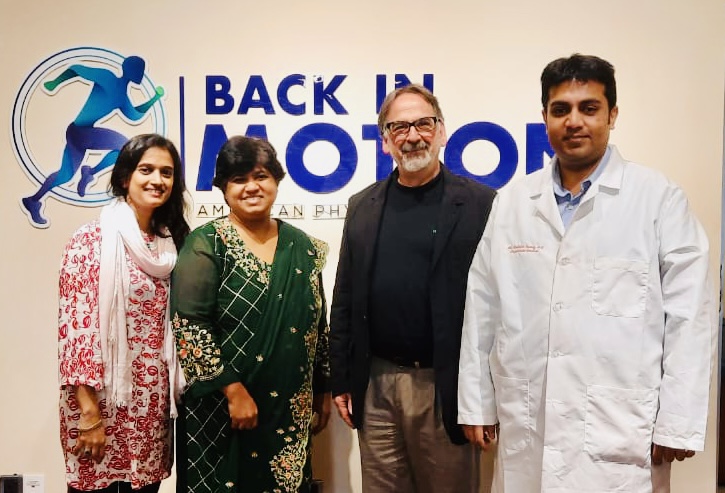
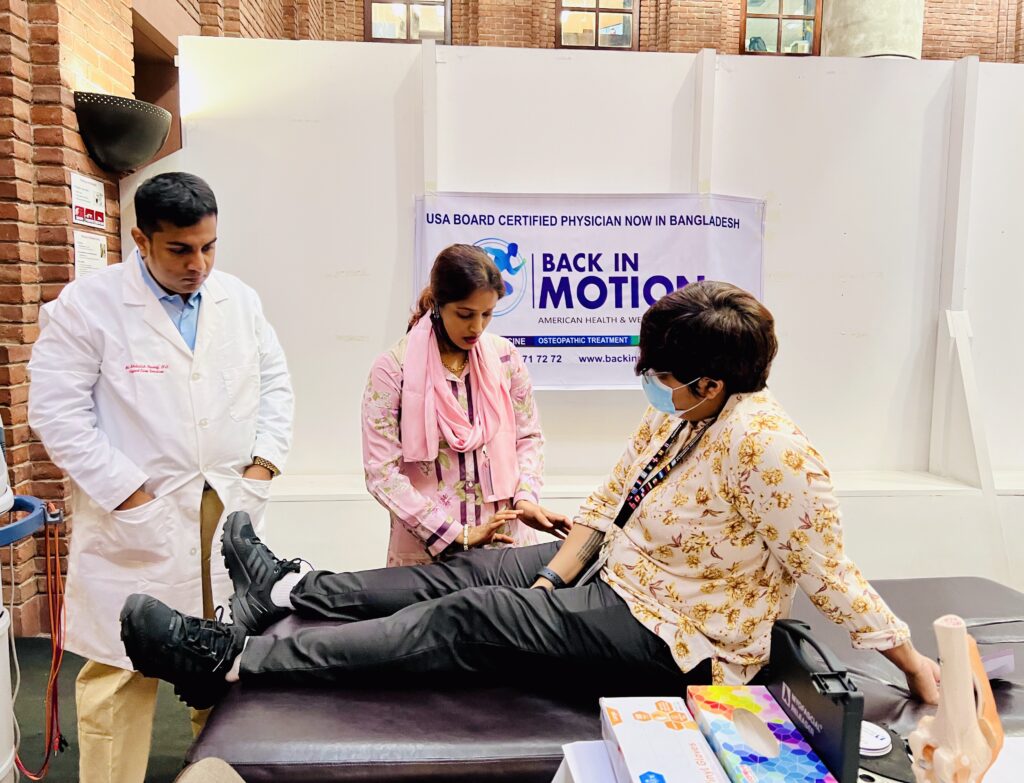
Back in Motion, located in Gulshan-1, Dhaka, provides neurological and stroke rehabilitation services based on individual assessment and rehabilitation needs. The clinical team includes Dr. Md. Abdullah Yousuf, D.O., and Dr. Tazia Sardar, DPT.
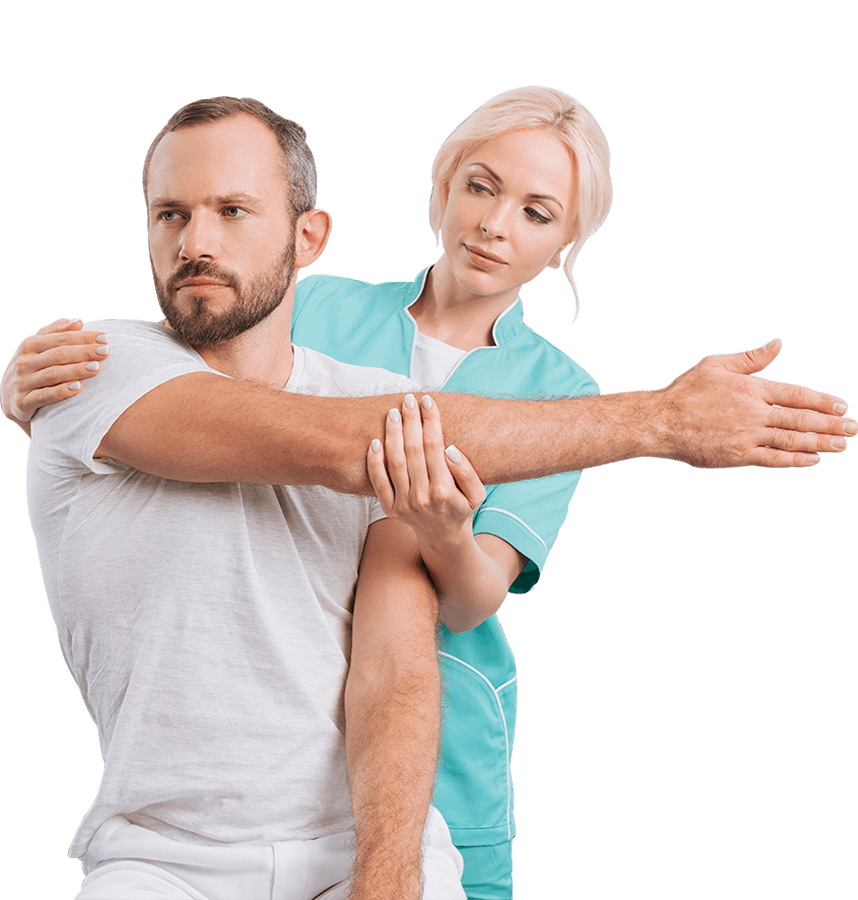
What Is Neurological & Stroke Rehabilitation?
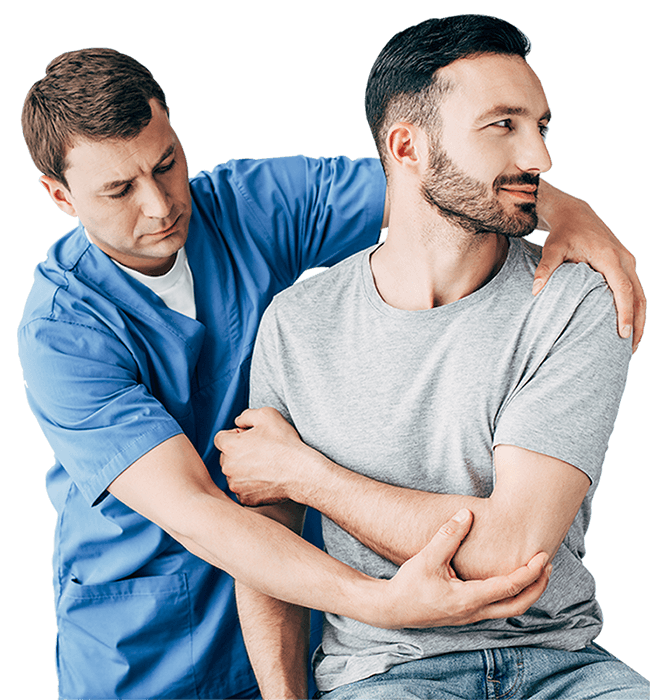
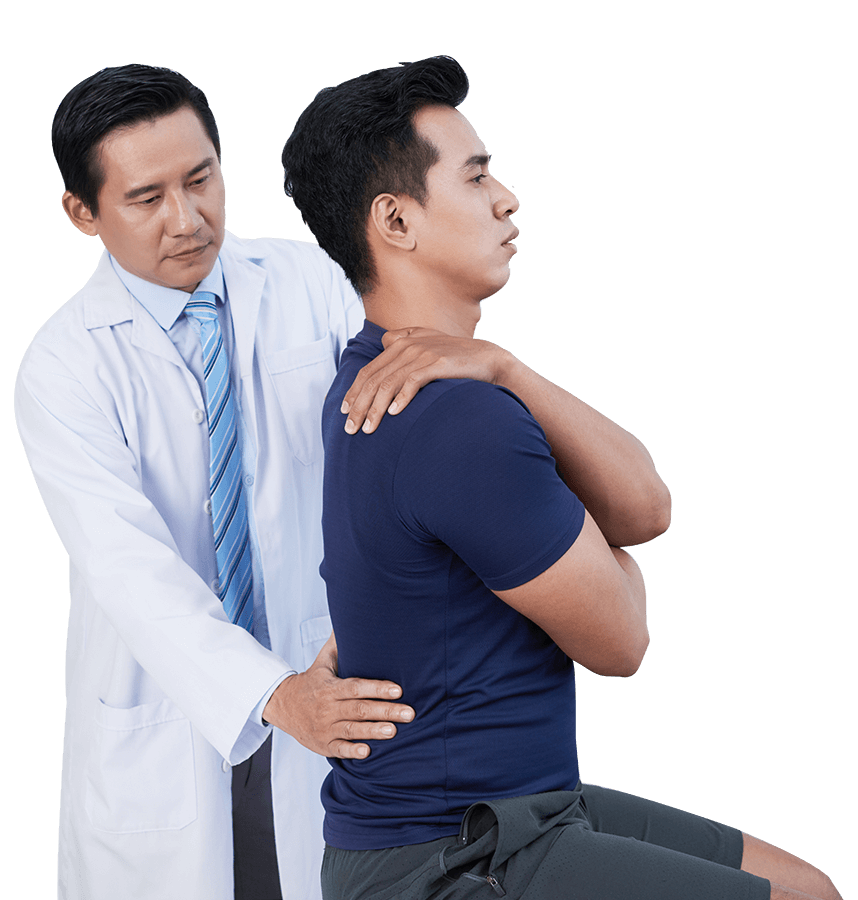
Neurological and stroke rehabilitation is a specialized branch of healthcare focused on helping patients recover from diseases, trauma, or disorders of the nervous system. This includes the brain, spinal cord, and peripheral nerves.
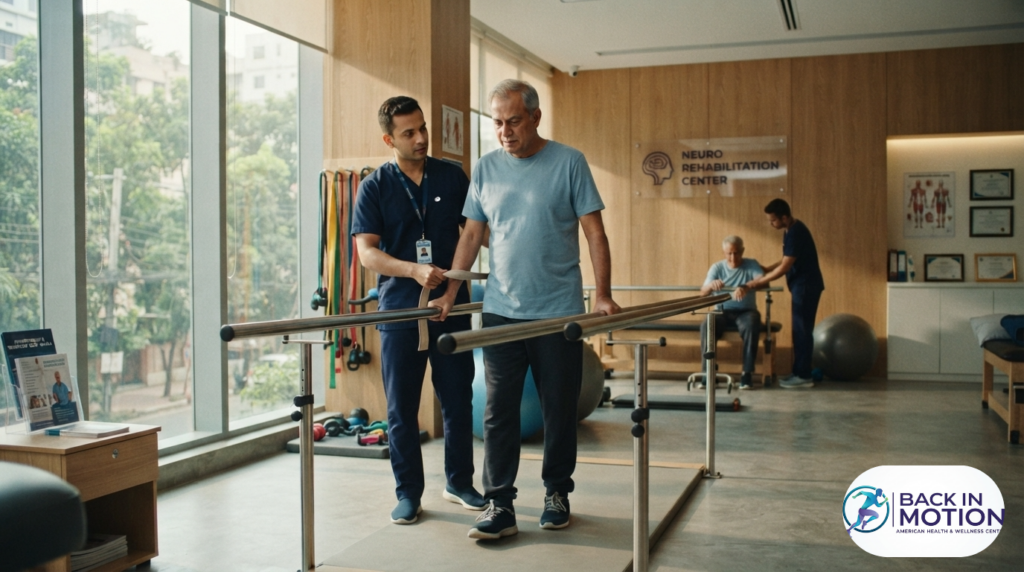
Neurological rehabilitation may incorporate therapeutic exercise, task-specific practice, balance training, gait training, and functional activities. Rehabilitation programs are designed according to the person’s neurological condition, abilities, and goals.
Who Provides Neurological & Stroke Rehabilitation?
Specialists in this field are experts in nervous system recovery, movement mechanics, and neuromuscular re-education. At Back in Motion, our clinical care is directed by internationally trained leaders:
U.S. Board-Certified Osteopathic Doctors (D.O.): Experts who evaluate how structural and somatic restrictions impact overall neurological function and physical performance.
Doctors of Physical Therapy (DPT): Specialists trained in advanced motor retraining, balance restoration, and functional independence training.
Treatment plans are developed according to the patient’s assessment, condition, functional needs, and rehabilitation goals.
Who Needs Neurological & Stroke Rehabilitation?
This specialized therapy serves individuals dealing with acute or progressive nervous system disruptions. You should consider this care if you or a loved one experiences:
Post-Stroke Sequelae: Weakness, paralysis, or coordination deficits following an ischemic or hemorrhagic stroke.
Traumatic Brain Injuries (TBI): Recovery following concussions, accidents, or physical head trauma.
Parkinson’s Disease & Movement Disorders: Managing stiffness, bradykinesia, tremors, and balance instabilities.
Multiple Sclerosis (MS) & Neuropathies: Supporting mobility and mitigating progressive physical decline.
Spinal Cord Injuries: Rebuilding functional movement patterns and managing muscular tone abnormalities.
What Conditions Does Neurological & Stroke Rehabilitation Treat?
Our specialized rehabilitation programs address a wide range of physical impairments caused by neurological damage:
Hemiparesis and Hemiplegia: Weakness or total paralysis affecting one side of the body.
Gait and Balance Deficits: Unsteady walking patterns, frequent stumbling, and high fall risks.
Spasticity and Muscle Tightness: Painful, involuntary muscle contractions and velocity-dependent resistance to movement.
Fine Motor Dysfunction: Loss of hand dexterity required for eating, writing, and dressing.
Postural Instability: Inability to maintain an upright trunk posture while sitting or standing.
Treatment Details Before Your Neurological & Stroke Rehabilitation Visit
Preparing for your care at Back in Motion is straightforward and transparent:
Do I need test reports beforehand? Previous medical reports, imaging, or discharge summaries can be useful during an assessment. Contact the clinic if you are unsure which records to bring to your appointment.
What if I already have previous reports? If you have past medical imaging (such as brain MRIs, CT scans) or discharge summaries from acute hospitals, you are strongly encouraged to bring them with you. These files help our specialists understand your clinical history quickly, though they are never mandatory to begin your recovery journey.
Session Structure and Duration for Neurological & Stroke Rehabilitation
We provide unhurried, highly individualized care to ensure every patient receives maximum clinical attention:
Initial Consultation: Duration varies according to the patient’s medical history, assessment needs, and rehabilitation requirements.
Therapy Session: Session duration depends on the treatment plan, condition, and rehabilitation goals.
What Happens During Neurological & Stroke Rehabilitation Treatment & Types of Techniques
- Treatment may include active, task-specific rehabilitation approaches selected according to the patient’s condition and functional goals.
Task-Oriented Training: Repetitive, goal-directed physical tasks (such as reaching, grasping, or stepping) that directly stimulate neural pathway rewiring.
- Neuromuscular Re-Education: Advanced movement drills designed to retrain communication pathways between the brain and skeletal muscles.
- Gait and Balance Re-Education: Structured walking drills and stability exercises to reduce fall risks and normalize stride mechanics.
- Spasticity Management Techniques: Specialized manual soft-tissue mobilization and elongation techniques to reduce muscle tone abnormalities.
- Caregiver & Family Education: Training loved ones on safe transfer mechanics, home positioning, and daily exercise integration.
What Happens After a Neurological & Stroke Rehabilitation Session?
Following your neuro-rehabilitation session, your nervous system processes the intensive sensory and motor inputs:
You or your loved one may experience healthy physical fatigue as the brain and muscles adapt to new movement patterns.
Your therapist will provide clear home care guidelines, safe movement modifications, and environmental setup recommendations to ensure safety between clinical visits.
Benefits, Advantages, Risks, and Complications of Neurological & Stroke Rehabilitation
What Are the Advantages and Benefits of Neurological & Stroke Rehabilitation?
Maximized Independence: Regain the ability to perform daily living activities with minimal reliance on caregivers.
Motor Recovery: Rehabilitation may use repetitive, task-specific practice to support functional movement and motor learning.
Fall Prevention: Balance, strength, gait, and mobility training may help address factors associated with fall risk.
Holistic Support: Address both primary neurological deficits and secondary musculoskeletal strains.
What Are the Risks or Complications of Neurological & Stroke Rehabilitation?
Neurological rehabilitation is generally tailored to the individual’s condition and tolerance. Some people may experience temporary fatigue, muscle soreness, or frustration during challenging exercises.
Temporary physical fatigue or mild muscle soreness following intensive movement sessions.
Transient frustration during challenging motor-learning tasks.
Note: Our U.S.-trained specialists carefully monitors the patient’s tolerance and adjusts activities when appropriate.
Recovery, Outlook, and Returning to Activities After Neurological & Stroke Rehabilitation
Recovery timelines vary depending on the severity of the neurological event, age, and consistency of rehabilitation.
When can I go back to my usual activities? While acute recovery happens in hospitals, functional reintegration occurs progressively over months of consistent outpatient therapy. Recovery varies considerably between individuals. Progress depends on factors such as the neurological condition, severity, overall health, rehabilitation goals, and consistency of therapy.
When Should You See a Healthcare Provider for Neurological & Stroke Rehabilitation?
Do not delay specialized care after experiencing a neurological event or noticing progressive physical decline. You should schedule an evaluation at our Gulshan center if you experience:
Persistent weakness or paralysis on one side of the body following medical discharge.
Ongoing balance issues, dizziness, or frequent falls during walking.
Increasing muscle stiffness, tightness, or painful joint contractions.
Difficulty performing daily tasks like grooming, feeding, or independent transfers.
When to Call the Doctor Immediately Regarding Neurological & Stroke Rehabilitation
Seek urgent medical evaluation if neurological symptoms appear suddenly or worsen rapidly.
Sudden onset of severe headache, confusion, or slurred speech.
Sudden loss of vision or acute weakness in the face, arm, or leg (signs of a recurrent stroke).
High fever accompanied by severe neck stiffness.
Sudden loss of bowel or bladder control.
Neurological & Stroke Rehabilitation at Back in Motion
If you or a family member needs neurological or stroke rehabilitation, you can contact Back in Motion to discuss an assessment and appropriate rehabilitation options.
Book your physiotherapy assessment today at our Gulshan-1 clinic.
Feel better, move freely, and take back control of your life
Call us to get more information
Call Now