- Home
- About
- Services
- Osteopathic Manipulative Treatment (OMT)
- Physiotherapy
- Geriatric Rehabilitation Center in Dhaka
- Manual Therapy & Soft Tissue Mobilization Center in Dhaka
- Neurological & Stroke Rehabilitation center in Dhaka
- Orthopedic & Musculoskeletal Rehabilitation in Dhaka
- Outpatient Cardiac Rehabilitation Center in Dhaka
- Pediatric Rehabilitation Center in Dhaka
- Women’s Health & Pelvic Floor Therapy Center in Dhaka
- Medical
- Fitness
- Wellness programs & Education
- Service Area
- Physiotherapy Center in Khulna
- Physiotherapy Center in Dhaka
- Physiotherapy Center in Banani
- Physiotherapy Center in Bashundhara R/A
- Physiotherapy Center in Badda
- Physiotherapy Center in Dhanmondi
- Physiotherapy Center in Farmgate
- Physiotherapy Center in Gabtoli
- Physiotherapy Center in Gulshan-1, Dhaka
- Physiotherapy Center in Khilkhet
- Physiotherapy Center in Mirpur
- Physiotherapy Center in Mohakhali
- Physiotherapy Center in Mohammadpur
- Physiotherapy Center in Niketan
- Physiotherapy Center in Shyamoli
- Physiotherapy Center in Tejgaon
- Physiotherapy Center in Uttara
- Contact
- Blog
- Gallery
Manual Therapy & Soft Tissue Mobilization Center in Dhaka
Chronic pain, muscle tightness, and joint stiffness can severely limit your physical freedom. Relying exclusively on passive machines, heat packs, or temporary pain relievers rarely resolves the underlying structural cause of discomfort. True recovery demands skilled, hands-on clinical intervention that targets muscles, joints, and fascia directly. Patients in Bangladesh need a dedicated Manual Therapy & Soft Tissue Mobilization Center in Dhaka to restore optimal movement and eliminate deep-seated pain.
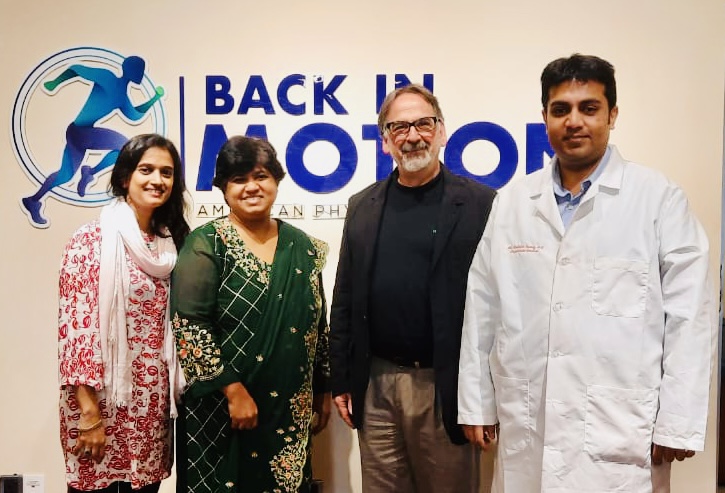
At Back in Motion, located in Gulshan-1, our clinical framework delivers the premier standard of hands-on physical care. Led by Dr. Md. Abdullah Yousuf, D.O. (U.S. Board-Certified Osteopathic Doctor) and Dr. Tazia Sardar, DPT (U.S.-Trained Doctor of Physiotherapy), our facility utilizes advanced active manual techniques designed to release restrictions, restore joint mechanics, and optimize physical performance.

What Is Manual Therapy & Soft Tissue Mobilization?
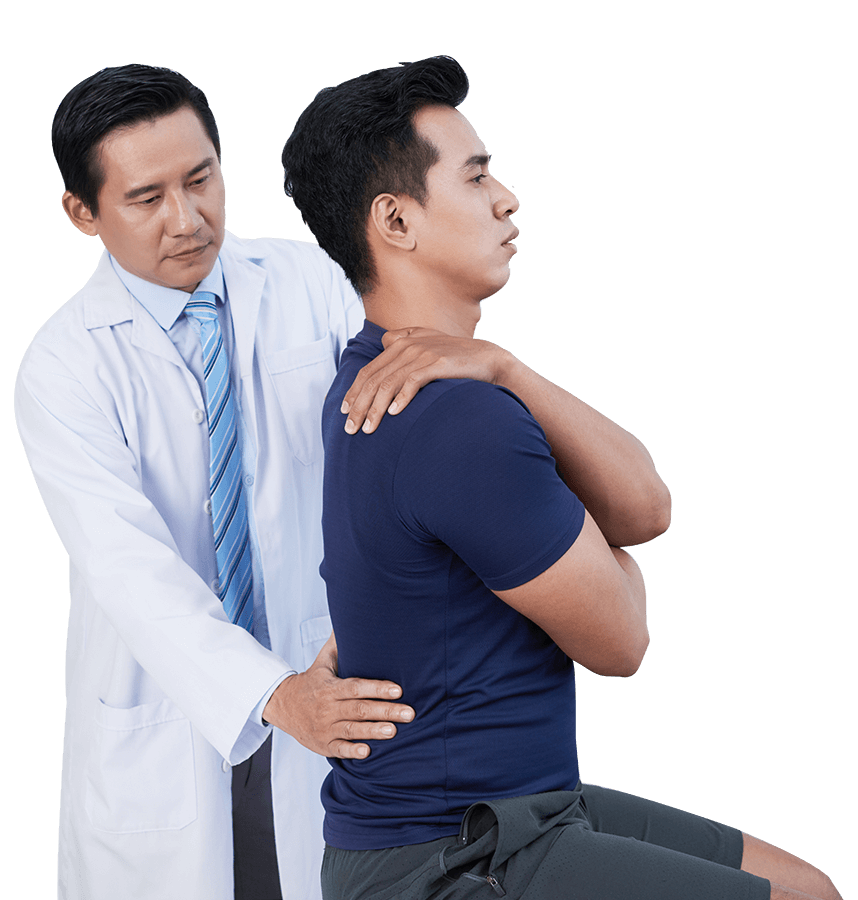
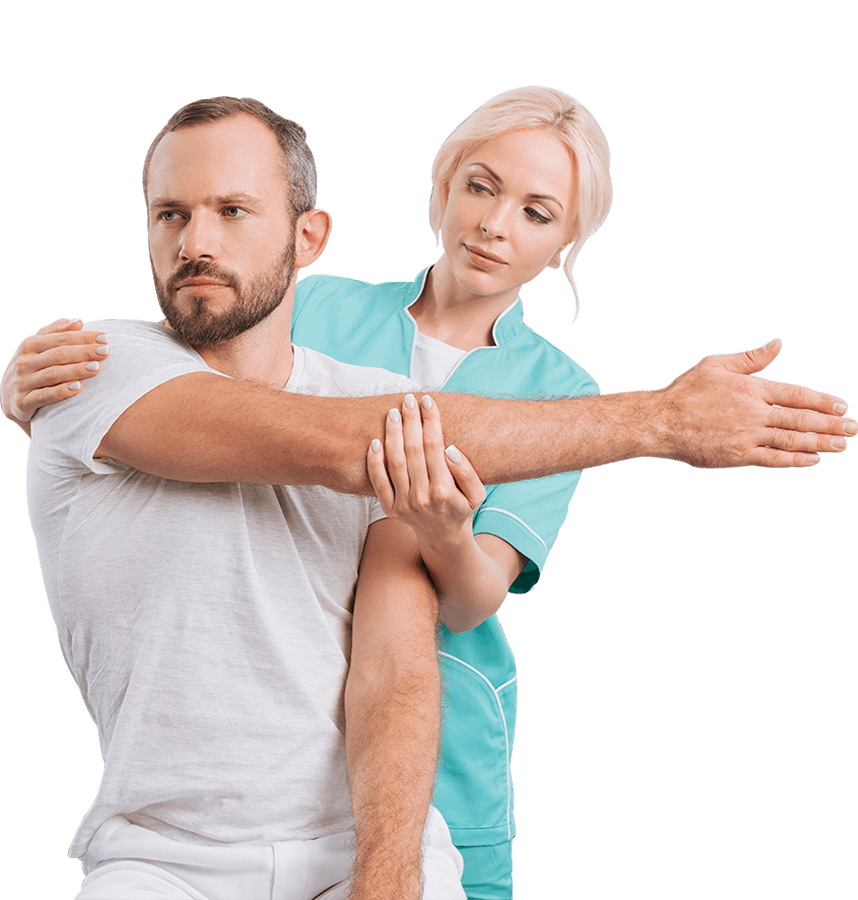
Manual therapy and soft tissue mobilization are specialized, skilled hands-on clinical techniques applied by trained practitioners to manipulate joints, muscles, ligaments, and fascia.
Unlike general massage or passive electrotherapy, clinical manual therapy uses precise biomechanical assessments and targeted pressure, stretching, and mobilization to reduce soft tissue restriction, decrease pain, increase range of motion, and improve overall physical function.
What Are Doctors and Specialists for Manual Therapy & Soft Tissue Mobilization?
Specialists in this field are experts in human anatomy, joint kinematics, and soft-tissue mechanics. At Back in Motion, our clinical care is directed by internationally trained professionals:
U.S. Board-Certified Osteopathic Doctors (D.O.): Experts who look at the body as an interconnected unit, using hands-on diagnostics and structural alignment techniques to trigger self-healing.
Doctors of Physical Therapy (DPT): Specialists trained in advanced orthopedic screening, neuromuscular re-education, and precision manual interventions.
All our rehabilitation protocols strictly adhere to the evidence-based clinical practice guidelines established by the American Physical Therapy Association (APTA).
Who Needs Manual Therapy & Soft Tissue Mobilization?
Manual therapy and soft tissue mobilization serve individuals dealing with acute injuries, chronic postural strains, or post-surgical stiffness. You should consider this care if you experience:
Persistent Muscle Tightness: Chronic knots, fascial restrictions, or stubborn muscle stiffness in the neck, shoulders, back, or legs.
Joint Stiffness and Limited Range of Motion: Inability to move a joint through its full arc due to capsular restrictions or past injuries.
Sports Injuries: Strains, sprains, and overuse conditions affecting athletic performance.
Post-Operative Scar Tissue: Restrictions and tightness following orthopedic surgeries or joint procedures.
Postural Strain: Discomfort resulting from prolonged desk work, repetitive strain, or poor ergonomic alignment.
What Conditions Does Manual Therapy & Soft Tissue Mobilization Treat?
Our specialized rehabilitation programs address a comprehensive spectrum of musculoskeletal conditions:
Spinal Dysfunction: Cervical neck pain, thoracic tightness, and chronic lower back stiffness.
Upper Extremity Issues: Frozen shoulder, rotator cuff tendonitis, tennis elbow, and carpal tunnel syndrome.
Lower Extremity Problems: Patellofemoral pain, IT band syndrome, hamstring strains, and plantar fasciitis.
Myofascial Pain Syndromes: Trigger points and localized soft tissue pain restricting daily mobility.
Treatment Details for Manual Therapy & Soft Tissue Mobilization: What Happens Before Your Visit?
Preparing for your care at Back in Motion is simple and transparent:
Do I need test reports beforehand? No, you do not need test reports to book your initial consultation. Our clinical team conducts a thorough physical, structural, and functional evaluation during your first visit to diagnose your condition.
What if I already have previous reports? If you have past medical imaging (X-rays, MRIs) or doctor prescriptions, you are strongly encouraged to bring them with you. These files help our specialists understand your history faster, though they are never mandatory to begin your care.
Session Structure and Duration for Manual Therapy & Soft Tissue Mobilization
We provide unhurried, highly individualized care to ensure you receive meticulous clinical attention:
Initial Consultation (30–45 Minutes): A detailed review of your medical history, movement screening, and structural assessment to build your custom recovery roadmap.
Therapy Session (1–2 Hours): Dedicated, one-on-one clinical treatment featuring precise manual therapy, soft-tissue release, and active functional retraining tailored to your exact physical requirements.
What Happens During Manual Therapy & Soft Tissue Mobilization Treatment & Types of Techniques
We reject passive, outdated modalities like unmonitored electrical pads or generic heat packs. Instead, our treatment relies on active, evidence-based manual techniques:
Myofascial Release: Specialized sustained pressure and stretching to eliminate restrictions in the fascial network surrounding muscles.
Joint Mobilization & Manipulation: Skilled, rhythmic passive movements or high-velocity low-amplitude (HVLA) thrusts to restore normal joint play and alignment.
Muscle Energy Techniques (MET): Active patient muscle contractions against precise practitioner counterforce to lengthen tight muscles and improve joint mobility.
Instrument-Assisted Soft Tissue Mobilization (IASTM): Advanced techniques using specialized clinical instruments to break down scar tissue and chronic fibrosis.
Active Functional Integration: Pairing manual adjustments with active movement to lock in new range of motion and retrain proper biomechanics.
What Happens After a Manual Therapy & Soft Tissue Mobilization Session?
Following your manual therapy session, your body processes the structural adjustments and soft-tissue releases:
You may experience mild, healthy muscle soreness or a feeling of deep physical tiredness as your body adapts to improved alignment and posture.
Your therapist will provide clear home care guidelines, self-stretching instructions, and ergonomic advice to maintain your progress between visits.
Benefits, Advantages, Risks, and Complications of Manual Therapy & Soft Tissue Mobilization
What Are the Advantages and Benefits of Manual Therapy & Soft Tissue Mobilization?
Immediate Pain Relief: Rapidly reduce local muscle tension, nerve compression, and joint stiffness.
Restored Mobility: Regain full, unrestrictive joint range of motion and flexibility.
Root-Cause Resolution: Address the underlying soft-tissue and joint dysfunctions rather than just masking symptoms.
Enhanced Physical Performance: Improve movement efficiency and reduce the risk of future injuries.
What Are the Risks or Complications of Manual Therapy & Soft Tissue Mobilization?
Manual therapy performed by U.S.-trained and board-certified professionals is exceptionally safe. Minor considerations include:
Temporary, mild muscle tenderness or aching 24 to 48 hours after deep tissue work or joint mobilization.
Transient fatigue as stiff structures adapt to new movement patterns.
Note: Our clinical specialists carefully screen every patient to select appropriate techniques, ensuring absolute safety and comfort.
Recovery, Outlook, and Returning to Activities After Manual Therapy & Soft Tissue Mobilization
Recovery and healing timelines vary depending on the chronicity of your condition and tissue health.
When can I go back to my usual activities? Many patients notice immediate improvements in movement comfort and flexibility during their very first session. Returning to full, unrestrictive daily routines, work duties, or athletic training happens progressively over a series of targeted visits.
When Should You See a Healthcare Provider for Manual Therapy & Soft Tissue Mobilization?
Seek prompt medical evaluation if you experience acute red-flag indicators:
Sudden, severe pain following high-impact trauma or a fall.
Inability to bear weight on a limb or visible joint deformity.
Sudden numbness, tingling, or radiating weakness down your arms or legs.
Rapidly spreading swelling or severe localized fever around a joint.
When to Call the Doctor Immediately Regarding Manual Therapy & Soft Tissue Mobilization
Seek prompt medical evaluation if you experience acute red-flag indicators:
Sudden, severe pain following high-impact trauma or a fall.
Inability to bear weight on a limb or visible joint deformity.
Sudden numbness, tingling, or radiating weakness down your arms or legs.
Rapidly spreading swelling or severe localized fever around a joint.
Experience the Best Manual Therapy & Soft Tissue Mobilization Center in Dhaka
Stop letting chronic pain and stiffness dictate your daily life. Experience world-class, hands-on clinical care at Dhaka’s premier rehabilitation facility.
Ready to start your recovery? Book your physiotherapy assessment today at our Gulshan-1 clinic.
Feel better, move freely, and take back control of your life
Call us to get more information
Call Now