- Home
- About
- Services
- Osteopathic Manipulative Treatment (OMT)
- Physiotherapy
- Geriatric Rehabilitation Center in Dhaka
- Manual Therapy & Soft Tissue Mobilization Center in Dhaka
- Neurological & Stroke Rehabilitation center in Dhaka
- Orthopedic & Musculoskeletal Rehabilitation in Dhaka
- Outpatient Cardiac Rehabilitation Center in Dhaka
- Pediatric Rehabilitation Center in Dhaka
- Women’s Health & Pelvic Floor Therapy Center in Dhaka
- Medical
- Fitness
- Wellness programs & Education
- Service Area
- Physiotherapy Center in Khulna
- Physiotherapy Center in Dhaka
- Physiotherapy Center in Banani
- Physiotherapy Center in Bashundhara R/A
- Physiotherapy Center in Badda
- Physiotherapy Center in Dhanmondi
- Physiotherapy Center in Farmgate
- Physiotherapy Center in Gabtoli
- Physiotherapy Center in Gulshan-1, Dhaka
- Physiotherapy Center in Khilkhet
- Physiotherapy Center in Mirpur
- Physiotherapy Center in Mohakhali
- Physiotherapy Center in Mohammadpur
- Physiotherapy Center in Niketan
- Physiotherapy Center in Shyamoli
- Physiotherapy Center in Tejgaon
- Physiotherapy Center in Uttara
- Contact
- Blog
- Gallery
Geriatric Rehabilitation Center in Dhaka
Aging should be accompanied by strength, confidence, and physical freedom. Unfortunately, advancing age often brings joint degeneration, chronic stiffness, balance instability, and a fear of falls that can restrict a senior’s daily life. Relying on passive rest or unmonitored home remedies rarely resolves age-related mobility decline. Seniors and families in Bangladesh need a dedicated clinical center that provides specialized senior care focused on active functional recovery.
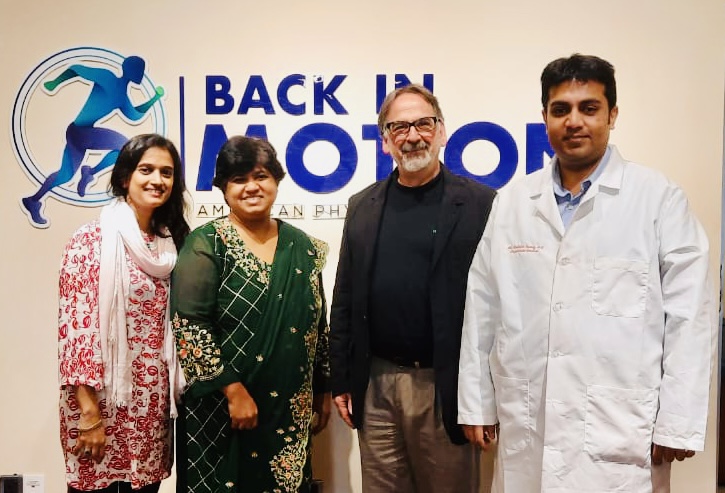
At Back in Motion, located in Gulshan-1, our clinical framework delivers the best geriatric rehabilitation Center in Dhaka. Led by Dr. Md. Abdullah Yousuf, D.O. (U.S. Board-Certified Osteopathic Doctor) and Dr. Tazia Sardar, DPT (U.S.-Trained Doctor of Physiotherapy), our facility utilizes advanced manual therapy and evidence-based functional conditioning designed to help older adults maintain independence, reduce pain, and move safely.
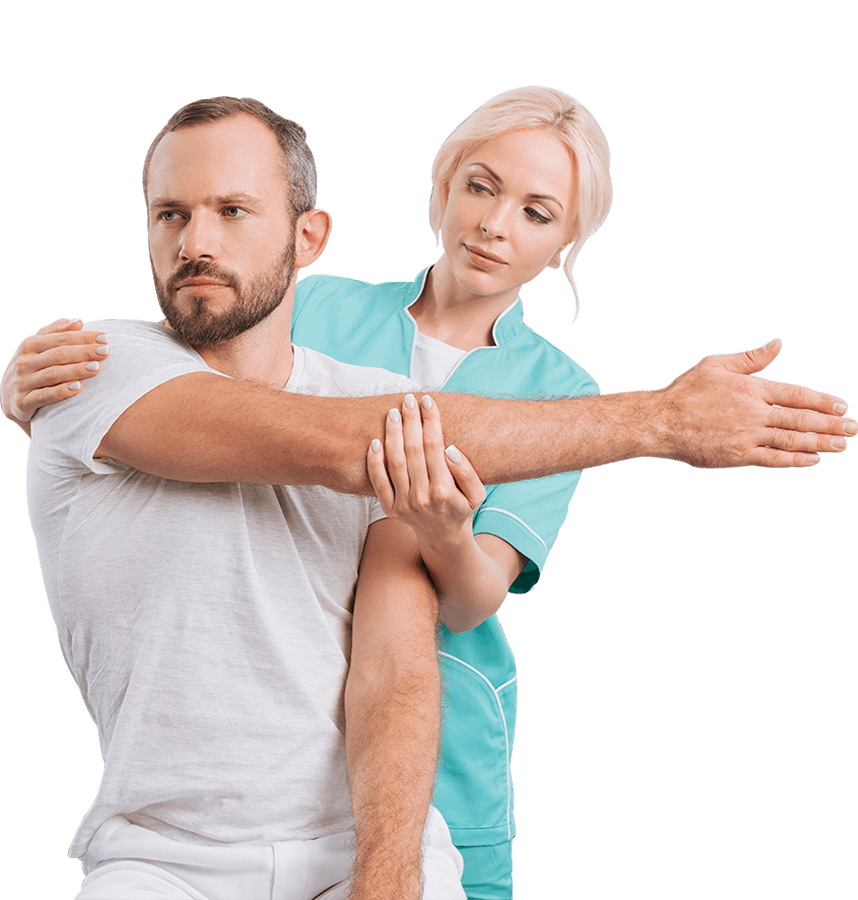
What Is Geriatric Rehabilitation?
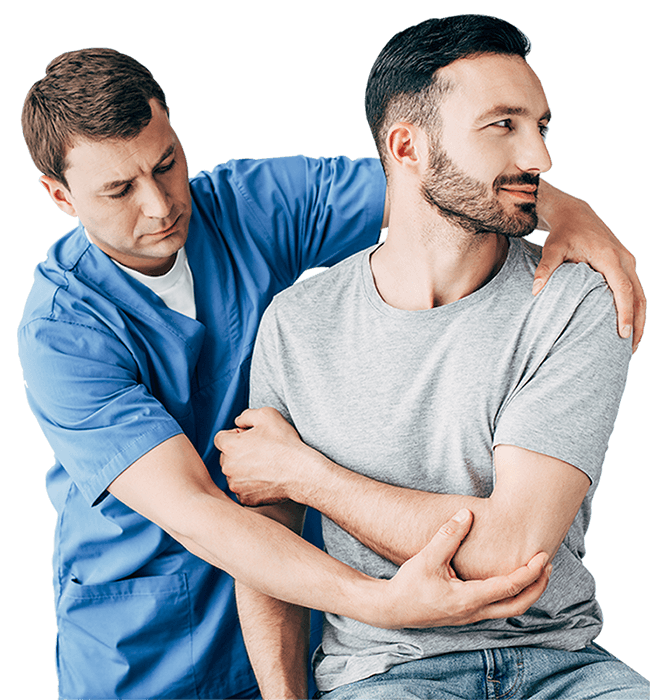
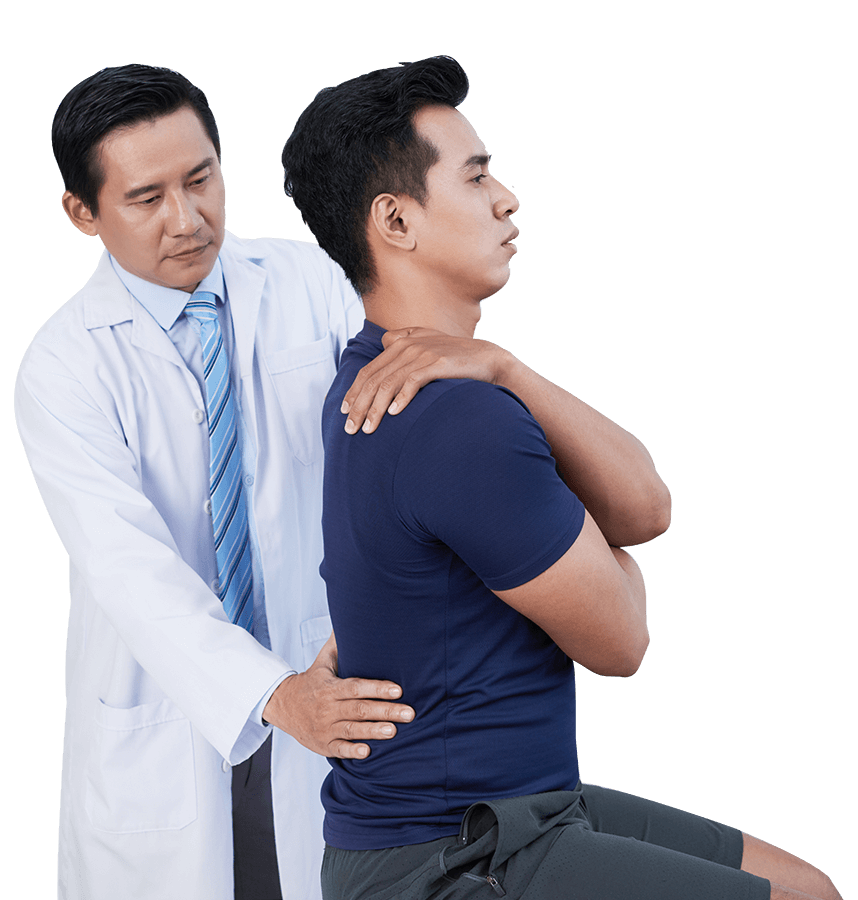
Geriatric rehabilitation is a specialized branch of healthcare dedicated to the unique physical needs of older adults. It addresses the physiological changes that occur with aging, such as reduced bone density, loss of muscle mass (sarcopenia), joint stiffness, and impaired neuromuscular coordination.
Unlike standard physical exercise, clinical geriatric rehabilitation utilizes targeted, low-impact, active methodologies to restore functional capacity, enhance balance, and prevent debilitating falls.
What Are Doctors and Specialists for Geriatric Rehabilitation?
Specialists in senior rehabilitation are experts in aging biomechanics, chronic pain management, and safe functional mobility restoration. At Back in Motion, our clinical care is driven by internationally trained professionals:
U.S. Board-Certified Osteopathic Doctors (D.O.): Experts who evaluate whole-body alignment, somatic restrictions, and structural imbalances common in aging bodies.
Doctors of Physical Therapy (DPT): Specialists trained in advanced balance retraining, safe load management, and restorative movement therapy for seniors.
All our rehabilitation protocols strictly adhere to the evidence-based clinical practice guidelines established by the American Physical Therapy Association (APTA).
Who Needs Geriatric Rehabilitation?
Geriatric rehabilitation serves older adults navigating age-related physical decline or recovering from medical procedures. You or your loved one should consider this care if experiencing:
Balance Instability & Fall Risks: Frequent stumbling, unsteadiness while walking, or a fear of falling.
Degenerative Joint Conditions: Advanced osteoarthritis in the knees, hips, or spine causing chronic pain and stiffness.
Post-Surgical Recovery: Healing following joint replacements (knee or hip arthroplasty), spine surgeries, or fracture repairs.
General Deconditioning: Severe physical weakness resulting from prolonged illness, hospitalization, or inactivity.
Age-Related Mobility Decline: Difficulty rising from chairs, climbing stairs, or performing routine household chores.
What Conditions Does Geriatric Rehabilitation Treat?
Our specialized geriatric rehabilitation programs address a comprehensive spectrum of physical challenges faced by older adults:
Spinal Stenosis and Back Pain: Chronic lower back discomfort and nerve compression restricting walking distance.
Hip and Knee Osteoarthritis: Joint degeneration causing pain, swelling, and reduced range of motion.
Post-Fracture Sequelae: Rehabilitation following recovery from osteoporotic fractures (such as hip or wrist fractures).
Gait Abnormalities: Shuffling steps, narrow base of support, and slow walking speeds.
Postural Kyphosis: Age-related rounding of the upper back leading to neck strain and balance disruption.
Treatment Details for Geriatric Rehabilitation: What Happens Before Your Visit?
Preparing for your care at Back in Motion is straightforward and transparent:
Do I need test reports beforehand? No, you do not need test reports to book your initial consultation. Our clinical team conducts a thorough physical, structural, and functional evaluation during your first visit to establish your safe baseline.
What if I already have previous reports? If you have past medical imaging (X-rays, MRIs, bone density scans) or physician clearance notes, you are strongly encouraged to bring them with you. These documents help our specialists understand your medical history quickly, though they are never mandatory to begin your recovery journey.
Session Structure and Duration for Geriatric Rehabilitation
We provide unhurried, highly individualized care designed to respect the unique physical tolerance of older adults:
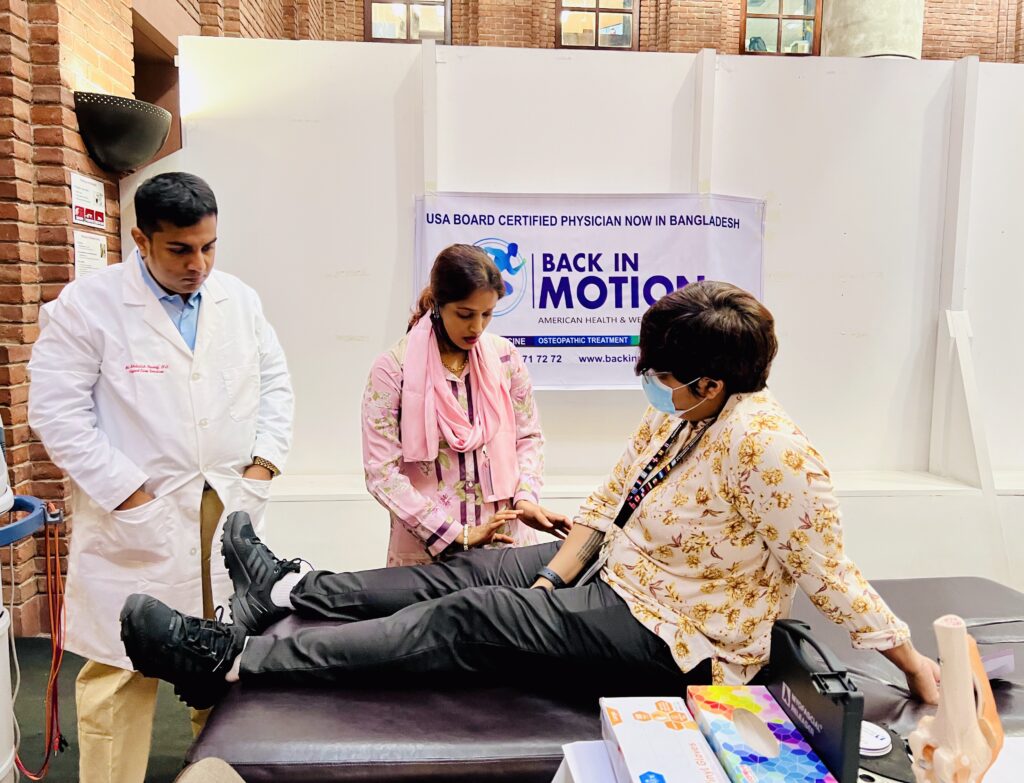
Initial Consultation (30–45 Minutes): A gentle, detailed review of your medical history, medication profile, fall history, and baseline movement screening to design your custom recovery blueprint.
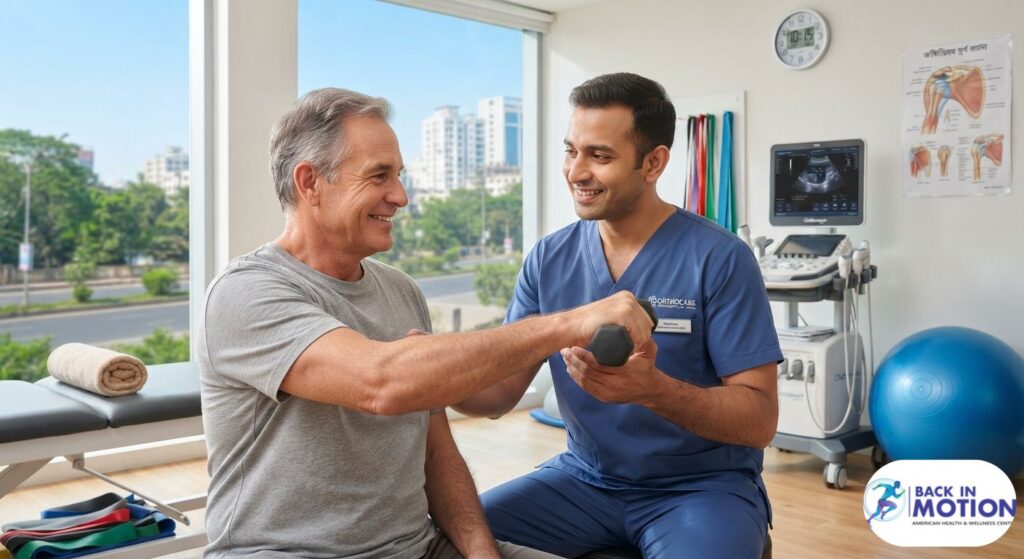
Therapy Session (1–2 Hours): Dedicated, one-on-one clinical treatment featuring active manual therapy, progressive strength training, and balance drills tailored to your exact physical capacity.
What Happens During Geriatric Rehabilitation Treatment & Types of Techniques
We reject passive, outdated modalities like random electrical stimulators or unmonitored heat pads. Instead, our treatment relies on active, safe, evidence-based techniques:
Active Manual Therapy: Gentle, skilled hands-on mobilization of stiff joints and tight soft tissues to restore comfortable range of motion.
Progressive Strength Training: Controlled, low-impact resistance exercises designed to rebuild muscle mass and combat age-related weakness (sarcopenia).
Balance and Vestibular Re-Education: Specialized stability drills to improve postural control, core strength, and spatial awareness, significantly reducing fall risks.
Functional Task Training: Practicing real-world movements like rising from a deep chair, stepping over obstacles, and navigating stairs safely.
Home Safety & Ergonomic Education: Providing practical guidance on modifying home environments to prevent accidental slips and falls.
What Happens After a Geriatric Rehabilitation Session?
Following your geriatric rehabilitation session, your muscles and nervous system process the physical conditioning:
You may experience mild, healthy physical fatigue as your body adapts to increased strength and movement.
Your therapist will provide clear home exercise instructions, safe stretching routines, and pacing guidelines to maintain your progress between clinic visits.
Benefits, Advantages, Risks, and Complications of Geriatric Rehabilitation
What Are the Advantages and Benefits of Geriatric Rehabilitation?
Fall Prevention & Safety: Dramatically lower the risk of dangerous falls and fractures through targeted balance training.
Restored Independence: Regain the freedom to walk unassisted, manage household tasks, and enjoy social activities.
Pain Reduction: Alleviate chronic joint and muscle pain without relying heavily on long-term pain medications.
Enhanced Vitality: Improve overall cardiovascular stamina, sleep quality, and daily energy levels.
What Are the Risks or Complications of Geriatric Rehabilitation?
Geriatric rehabilitation managed by internationally trained specialists following rigorous clinical screening is exceptionally safe. Minor considerations include:
Temporary, mild muscle soreness as older muscle groups engage in structured exercise.
Transient physical tiredness following initial conditioning sessions.
Note: Our clinicians carefully monitor vital signs, fatigue thresholds, and physical tolerance during every session to ensure absolute safety.
Recovery, Outlook, and Returning to Activities After Geriatric Rehabilitation
Recovery and functional improvement timelines vary depending on overall health, age, and consistency of care.
When can I go back to my usual activities? While age-related conditions require ongoing physical maintenance, many seniors notice noticeable improvements in balance, walking confidence, and pain relief within the first few weeks of starting care at Back in Motion.
When Should You See a Healthcare Provider for Geriatric Rehabilitation?
Do not accept physical decline as an unavoidable part of aging. You should schedule an evaluation at our Gulshan center if you experience:
Frequent loss of balance, stumbling, or a recent fall.
Increasing difficulty standing up from a chair or climbing stairs without assistance.
Persistent joint or back pain that limits your daily walking distance.
A growing fear of movement or leaving the house due to unsteadiness.
When to Call the Doctor Immediately Regarding Geriatric Rehabilitation
Seek emergency medical evaluation immediately if you experience acute warning signs:
Sudden inability to bear weight on a limb following a fall or slip.
Sudden onset of severe chest pain, shortness of breath, or dizziness during physical exertion.
Sudden confusion, slurred speech, or weakness.
Rapidly worsening joint swelling or high fever.
Experience the Best Geriatric Rehabilitation Center in Dhaka
Embrace your golden years with strength, mobility, and confidence. Experience world-class, compassionate senior rehabilitation at Dhaka’s premier clinical facility.
Ready to start your recovery? Book your physiotherapy assessment today at our Gulshan-1 clinic.
Feel better, move freely, and take back control of your life
Call us to get more information
Call Now