- Home
- About
- Services
- Osteopathic Manipulative Treatment (OMT)
- Physiotherapy
- Geriatric Rehabilitation Center in Dhaka
- Manual Therapy & Soft Tissue Mobilization Center in Dhaka
- Neurological & Stroke Rehabilitation center in Dhaka
- Orthopedic & Musculoskeletal Rehabilitation in Dhaka
- Outpatient Cardiac Rehabilitation Center in Dhaka
- Pediatric Rehabilitation Center in Dhaka
- Women’s Health & Pelvic Floor Therapy Center in Dhaka
- Medical
- Fitness
- Wellness programs & Education
- Servie Area
- Physiotherapy Center in Khulna
- Physiotherapy Center in Dhaka
- Physiotherapy Center in Banani
- Physiotherapy Center in Bashundhara R/A
- Physiotherapy Center in Badda
- Physiotherapy Center in Dhanmondi
- Physiotherapy Center in Farmgate
- Physiotherapy Center in Gabtoli
- Physiotherapy Center in Gulshan
- Physiotherapy Center in Khilkhet
- Physiotherapy Center in Mirpur
- Physiotherapy Center in Mohakhali
- Physiotherapy Center in Mohammadpur
- Physiotherapy Center in Niketan
- Physiotherapy Center in Shyamoli
- Physiotherapy Center in Tejgaon
- Physiotherapy Center in Uttara
- Contact
- Blog
- Gallery
Pediatric Rehabilitation Center in Dhaka
Helping a child overcome developmental delays, congenital conditions, or physical trauma requires specialized clinical expertise and profound patience. Standard adult physical routines or generic exercises are completely ineffective for growing bodies. Families in Bangladesh need a dedicated clinical center that understands pediatric biomechanics, neuroplasticity, and growth milestones.
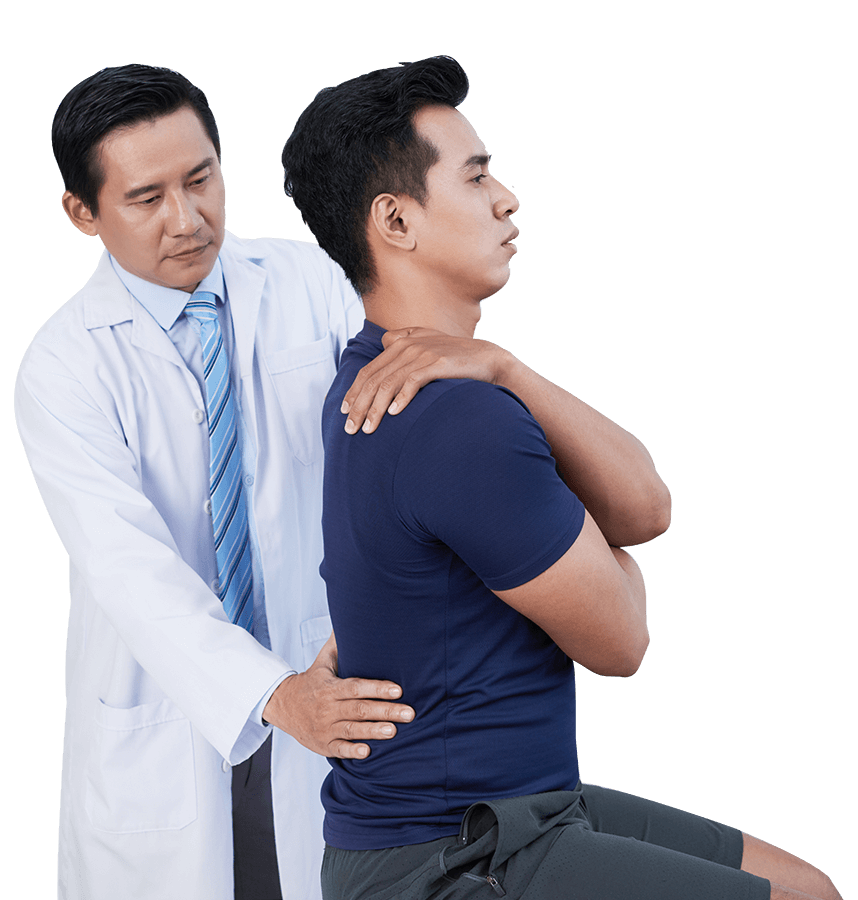
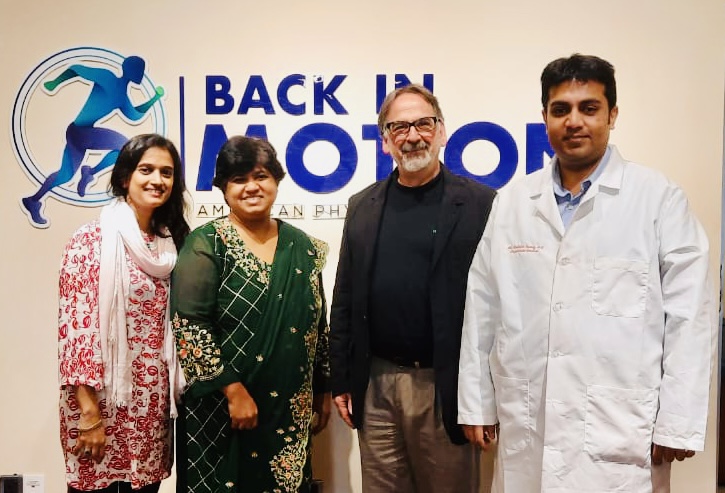
At Back in Motion, located in Gulshan-1, our clinical framework delivers the best pediatric rehabilitation in Dhaka. Led by Dr. Md. Abdullah Yousuf, D.O. (U.S. Board-Certified Osteopathic Doctor) and Dr. Tazia Sardar, DPT (U.S.-Trained Doctor of Physiotherapy), our facility provides active, evidence-based manual and functional rehabilitation tailored specifically to infants, children, and adolescents.

What Is Pediatric Rehabilitation?
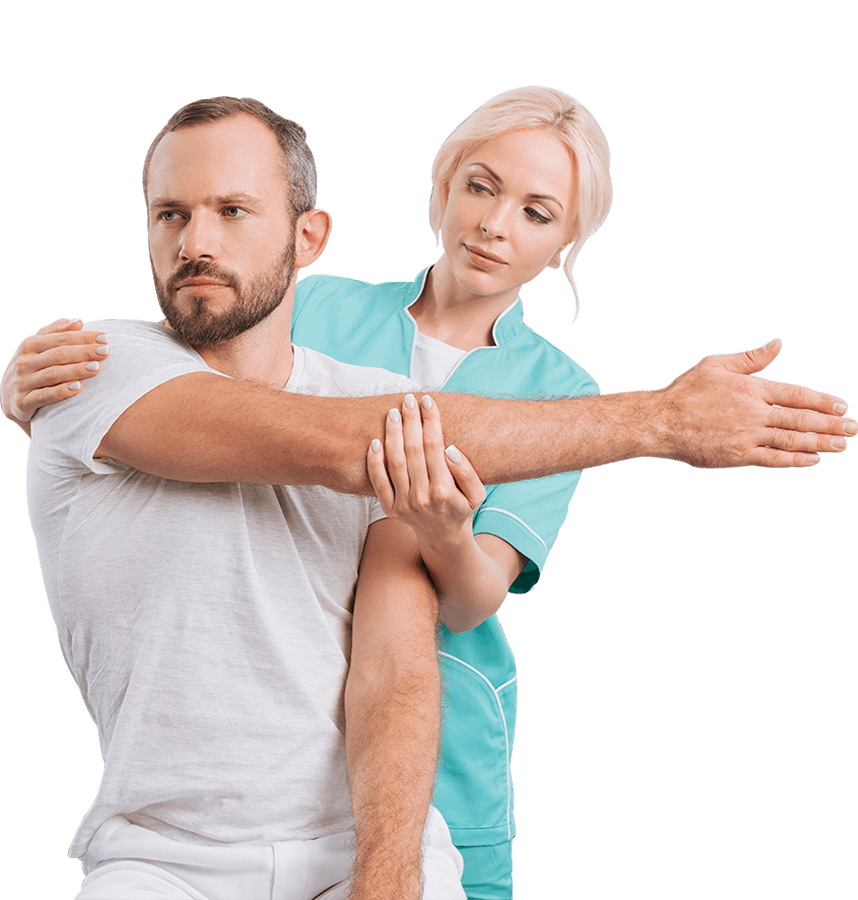
Pediatric rehabilitation is a specialized branch of healthcare dedicated to diagnosing, treating, and managing physical, neurological, and musculoskeletal impairments in children from infancy through their teenage years.
Unlike adult therapy, pediatric rehabilitation focuses on a child’s ongoing growth and development. It utilizes active, engaging, and play-based clinical methodologies to help children achieve critical developmental milestones, improve motor coordination, and gain physical independence.
What Are Doctors and Specialists for Pediatric Rehabilitation?
Specialists in this field are experts in pediatric neuro-development, movement mechanics, and musculoskeletal maturation. At Back in Motion, our clinical care is driven by internationally trained professionals:
U.S. Board-Certified Osteopathic Doctors (D.O.): Experts who evaluate whole-body alignment, somatic restrictions, and structural imbalances affecting a child’s natural physical growth.
Doctors of Physical Therapy (DPT): Specialists trained in advanced pediatric motor retraining, balance restoration, and functional independence training.
All our rehabilitation protocols strictly adhere to the evidence-based clinical practice guidelines established by the American Physical Therapy Association (APTA).
Who Needs Pediatric Rehabilitation?
Pediatric rehabilitation serves children navigating developmental setbacks, genetic conditions, or physical injuries. You should consider scheduling an evaluation if your child experiences:
Developmental Delays: Delays in achieving major motor milestones such as sitting, crawling, or independent walking.
Cerebral Palsy & Neurological Disorders: Managing muscle tone abnormalities, spasticity, and coordination challenges.
Congenital Conditions: Conditions such as torticollis (wry neck), plagiocephaly, or clubfoot requiring structural intervention.
Orthopedic & Sports Injuries: Fractures, ligament tears, growing pains, or postural misalignments from active play or sports.
Post-Trauma Recovery: Healing following accidental injuries, surgeries, or traumatic brain events.
What Conditions Does Pediatric Rehabilitation Treat?
Our specialized pediatric rehabilitation programs address a comprehensive spectrum of physical challenges affecting children:
Gross and Fine Motor Deficits: Difficulty with balance, running, jumping, or handling everyday items like utensils and pencils.
Infant Torticollis and Plagiocephaly: Tight neck muscles causing head tilting and flat spots on the infant skull.
Hypotonia and Hypertonia: Abnormally low or high muscle tone that restricts fluid movement and posture.
Postural Malalignments: Scoliosis,-related spinal curves, in-toeing, out-toeing, and abnormal walking patterns.
Treatment Details for Pediatric Rehabilitation: What Happens Before Your Visit?
Preparing for your child’s care at Back in Motion is simple and streamlined:
Do I need test reports beforehand? No, you do not need test reports to book your initial consultation. Our clinical team conducts a comprehensive physical, structural, and developmental evaluation during your first visit to establish your child’s baseline.
What if I already have previous reports? If you have past pediatric records, genetic assessments, or imaging reports, you are strongly encouraged to bring them with you. These files help our specialists understand your child’s medical history quickly, though they are never mandatory to begin therapy.
Session Structure and Duration for Pediatric Rehabilitation
We provide unhurried, highly individualized care designed to keep children comfortable and engaged:
Initial Consultation (30–45 Minutes): A thorough, gentle evaluation of your child’s medical history, movement patterns, and developmental milestones to build a custom recovery blueprint.
Therapy Session (1–2 Hours): Dedicated, one-on-one clinical treatment featuring active manual therapy, therapeutic exercise, and play-integrated motor training tailored to your child’s exact age and capability.
What Happens During Pediatric Rehabilitation Treatment & Types of Techniques
We reject passive machines or unmonitored modalities. Instead, our treatment relies on active, child-friendly, evidence-based techniques:
Play-Based Motor Learning: Utilizing interactive games and targeted activities to encourage natural reaching, balancing, and stepping behaviors.
Pediatric Manual Therapy: Gentle, specialized hands-on techniques to relieve fascial restrictions, correct infant neck tightness, and mobilize stiff joints.
Neuromuscular Re-Education: Movement drills designed to improve communication between a child’s developing brain and musculoskeletal system.
Gait and Balance Training: Fun, structured obstacle courses and walking drills to improve coordination and reduce fall risks.
Parent & Caregiver Education: Empowering families with home positioning tips, stretching routines, and play strategies to support progress daily.
What Happens After a Pediatric Rehabilitation Session?
Following a pediatric rehabilitation session, your child’s nervous system and muscles process the physical engagement:
Your child may experience normal, healthy physical fatigue as their body adapts to new movement patterns.
Your therapist will provide clear guidance on home exercises, ergonomic adjustments, and daily positioning to maintain progress between appointments.
Benefits, Advantages, Risks, and Complications of Pediatric Rehabilitation
What Are the Advantages and Benefits of Pediatric Rehabilitation?
Accelerated Milestone Achievement: Help your child catch up on vital motor milestones and build physical confidence.
Long-Term Structural Health: Correct postural and musculoskeletal issues early in life to prevent chronic adult pain.
Enhanced Independence: Improve your child’s ability to participate in school, play, and daily self-care activities.
Empowered Families: Gain expert knowledge on how to support your child’s physical growth safely at home.
What Are the Risks or Complications of Pediatric Rehabilitation?
Pediatric rehabilitation managed by internationally trained specialists is exceptionally safe. Minor considerations include:
Temporary muscle tiredness or mild soreness as children engage new muscle groups.
Initial shyness or hesitation during early sessions in a new clinical environment.
Note: Our specialists use gentle, patient-centered approaches to ensure children feel secure, respected, and comfortable throughout every session.
Recovery, Outlook, and Returning to Activities After Pediatric Rehabilitation
Recovery and developmental timelines vary based on your child’s age, specific condition, and consistency of care.
When can I go back to my usual activities? While long-term developmental conditions require structured ongoing support, many families notice visible improvements in their child’s balance, coordination, posture, and play stamina within the first few weeks of starting care at Back in Motion.
When Should You See a Healthcare Provider for Pediatric Rehabilitation?
Do not wait for developmental delays or physical discomfort to resolve on their own. You should schedule an evaluation at our Gulshan center if you notice:
Your infant consistently tilts their head to one side or avoids turning toward sounds.
Your child misses key motor milestones like sitting unsupported or walking by expected age ranges.
Frequent stumbling, clumsiness, or an unusual walking pattern (e.g., severe toe-walking).
Complaints of persistent joint or muscle pain during or after physical play.
When to Call the Doctor Immediately Regarding Pediatric Rehabilitation
Seek prompt medical evaluation if your child experiences acute warning signs:
Sudden, severe loss of previously attained motor skills or balance.
Sudden inability to move a limb following a fall or physical trauma.
High fever accompanied by severe muscle stiffness or joint swelling.
Sudden onset of extreme weakness or unresponsiveness.
Experience the Best Pediatric Rehabilitation Center in Dhaka
Give your child the foundation for a healthy, active future. Experience world-class, compassionate pediatric care at Dhaka’s premier clinical facility.
Ready to start your recovery? Book your physiotherapy assessment today at our Gulshan-1 clinic.
Feel better, move freely, and take back control of your life
Call us to get more information
Call Now