Finding the right physiotherapist in Dhaka is an important part of managing pain, injury, reduced mobility, sports-related problems, or rehabilitation needs. When choosing a physiotherapist, it is useful to consider professional qualifications, clinical experience, areas of practice, assessment methods, and the type of rehabilitation that matches your condition.
At Back in Motion, a physiotherapy center in Dhaka, patients can consult Dr. Md. Abdullah Yousuf, D.O. and Dr. Tazia Sardar, DPT for assessment and rehabilitation services.
Their clinical areas include musculoskeletal rehabilitation, orthopedic conditions, sports injuries, neurological rehabilitation, post-operative recovery, pediatric rehabilitation, women’s health, and other movement-related conditions.
Meet the Physiotherapists at Back in Motion
This page provides an overview of Dr. Abdullah Yousuf and Dr. Tazia Sardar, their qualifications, clinical interests, and rehabilitation approaches.
Dr. Md. Abdullah Yousuf, D.O.
Dr. Md. Abdullah Yousuf is a Doctor of Osteopathic Medicine (D.O.) with a clinical focus on musculoskeletal and structural conditions.
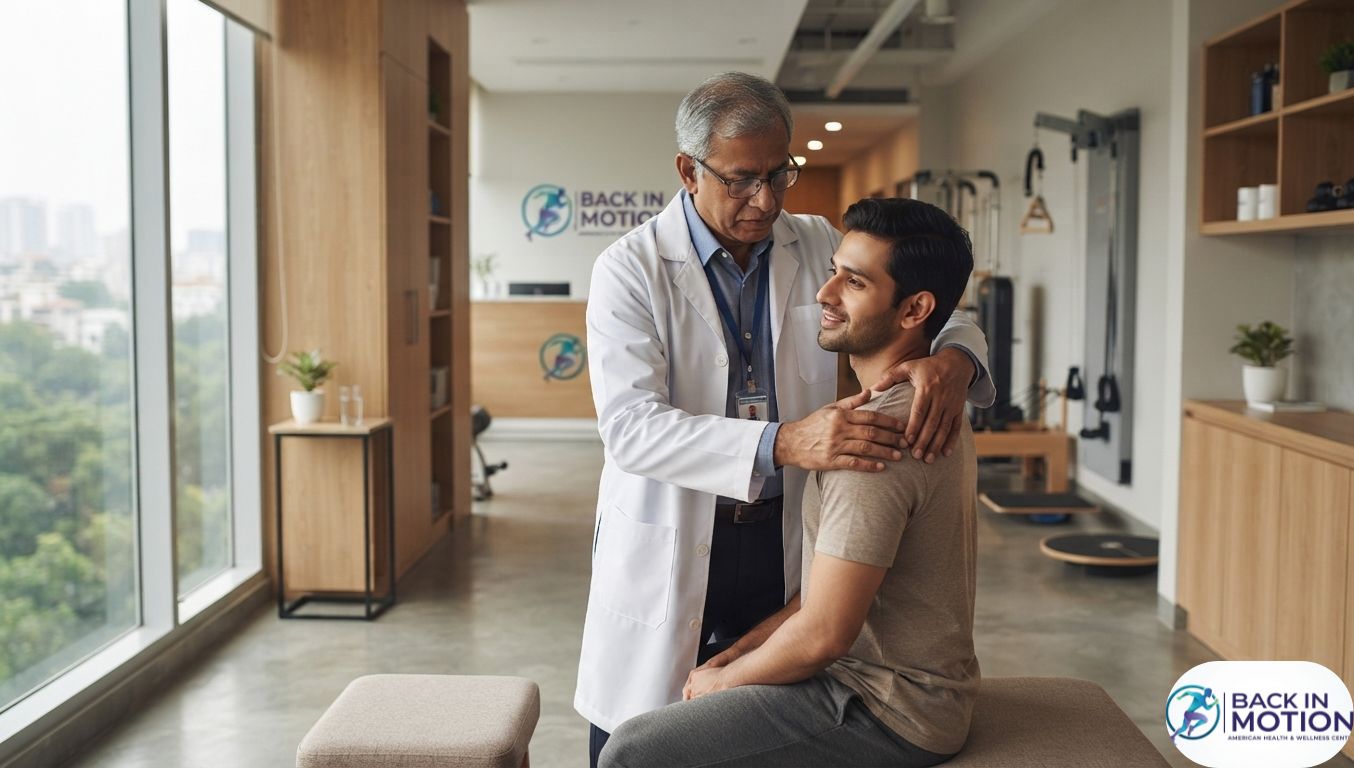
His clinical approach considers musculoskeletal structures, movement patterns, functional limitations, and the patient’s rehabilitation needs. Depending on the condition, an assessment may include movement evaluation, musculoskeletal examination, and hands-on treatment approaches such as Osteopathic Manipulative Treatment (OMT).
Clinical Areas
- Musculoskeletal pain and movement problems
- Back and neck conditions
- Joint and soft-tissue problems
- Sports and activity-related injuries
- Post-operative rehabilitation
- Structural and movement-related problems
- Osteopathic Manipulative Treatment (OMT)
For more information about his professional background, visit the Dr. Md. Abdullah Yousuf profile.
Dr. Tazia Sardar, DPT
Dr. Tazia Sardar is a Doctor of Physiotherapy (DPT) with training in physical therapy and rehabilitation.
Her clinical interests include movement science, orthopedic rehabilitation, sports rehabilitation, pediatric rehabilitation, women’s health, and exercise-based rehabilitation.
Clinical Areas
- Orthopedic rehabilitation
- Sports injury rehabilitation
- Post-operative rehabilitation
- Pediatric rehabilitation
- Movement and mobility problems
- Women’s health rehabilitation
- Exercise-based rehabilitation
Learn more about her professional background on the Dr. Tazia Sardar profile.
Dr. Abdullah Yousuf and Dr. Tazia Sardar at a Glance
| Physiotherapist / Clinician | Qualification | Main Clinical Areas |
|---|---|---|
| Dr. Md. Abdullah Yousuf | Doctor of Osteopathic Medicine (D.O.) | Musculoskeletal conditions, structural and movement-related problems, manual treatment and OMT |
| Dr. Tazia Sardar | Doctor of Physiotherapy (DPT) | Orthopedic, sports, pediatric, women’s health and exercise-based rehabilitation |
How to Choose a Physiotherapist in Dhaka
People searching for the best physiotherapist in Dhaka should look beyond marketing claims and compare the qualifications, clinical focus, assessment process, treatment approach, and suitability of the practitioner for their particular condition.
1. Check Professional Qualifications
Review the physiotherapist’s educational background, professional training, and areas of clinical practice. Different rehabilitation professionals may have different qualifications and areas of expertise.
2. Look for an Individual Assessment
A physiotherapy program should be based on an assessment of the patient’s condition rather than using exactly the same treatment approach for everyone.
Depending on the condition, an assessment may consider:
- Pain and symptom history
- Joint mobility
- Muscle strength
- Movement patterns
- Balance and coordination
- Functional limitations
- Previous injuries or surgery
- Relevant medical reports and imaging
3. Consider Condition-Specific Experience
The appropriate physiotherapist can depend on the problem being treated. Someone recovering from a sports injury may have different rehabilitation needs from someone recovering from stroke, surgery, or a neurological condition.
4. Understand the Treatment Approach
Depending on the assessment, physiotherapy may include:
- Therapeutic exercise
- Manual therapy
- Movement retraining
- Mobility exercises
- Strengthening
- Balance training
- Patient education
- Activity modification
5. Choose a Physiotherapist Who Communicates Clearly
Patients should understand what is being assessed, why particular treatments are recommended, and what activities or exercises may be appropriate between appointments.
Physiotherapy Services at Back in Motion
Back in Motion provides physiotherapy and rehabilitation services for a range of musculoskeletal, orthopedic, neurological, pediatric, geriatric, sports, and movement-related conditions.
Orthopedic and Musculoskeletal Physiotherapy
Musculoskeletal physiotherapy focuses on conditions affecting muscles, joints, bones, ligaments, tendons, and related structures.
Common rehabilitation concerns include:
- Back pain
- Neck pain
- Knee pain
- Shoulder pain
- Hip pain
- Sciatica
- Frozen shoulder
- Sports injuries
- Joint stiffness
- Soft-tissue problems
- Post-operative mobility problems
Treatment may involve therapeutic exercise, manual therapy, mobility work, strengthening, and movement retraining depending on the patient’s condition.
Sports Injury Rehabilitation
Sports injury rehabilitation may focus on restoring movement, strength, balance, coordination, joint stability, and functional activity.
Rehabilitation may address:
- Range of motion
- Muscle strength
- Joint stability
- Balance and coordination
- Movement mechanics
- Sport-specific activities
- Return-to-activity progression
Post-Operative Rehabilitation
Physiotherapy can form part of rehabilitation following many orthopedic procedures. The rehabilitation plan should be adapted to the specific procedure, healing stage, medical instructions, and functional goals of the patient.
Examples may include rehabilitation following:
- ACL reconstruction
- Knee replacement
- Hip replacement
- Shoulder surgery
- Spinal surgery
- Other orthopedic procedures
Neurological and Stroke Rehabilitation
Neurological rehabilitation focuses on movement and functional rehabilitation following neurological conditions or injuries.
Stroke rehabilitation may include:
- Movement retraining
- Balance exercises
- Gait training
- Coordination exercises
- Functional task practice
- Strength and mobility exercises
- Activities of daily living training
Learn more about neurological and stroke rehabilitation in Dhaka.
Pediatric Physiotherapy and Rehabilitation
Pediatric rehabilitation may be appropriate for children with developmental, neurological, orthopedic, or movement-related conditions.
Areas of rehabilitation may include:
- Developmental delays
- Cerebral palsy
- Pediatric orthopedic conditions
- Childhood sports injuries
- Balance and coordination difficulties
- Motor development
- Mobility limitations
Explore the pediatric rehabilitation services in Dhaka.
Geriatric Rehabilitation
Geriatric rehabilitation focuses on maintaining mobility, physical function, balance, and independence as people age.
Rehabilitation may address:
- Balance
- Walking ability
- Muscle strength
- Joint mobility
- Fall prevention
- Recovery after fractures
- Arthritis-related movement difficulties
- Functional independence
Women’s Health Physiotherapy
Women’s health physiotherapy can address musculoskeletal and pelvic-floor concerns occurring during different stages of life.
Depending on the individual’s assessment, rehabilitation may include:
- Pregnancy-related back and pelvic pain
- Postpartum mobility problems
- Pelvic floor dysfunction
- Urinary incontinence
- Post-Cesarean rehabilitation
- Diastasis recti
- Core rehabilitation
Manual Therapy and Osteopathic Manipulative Treatment
Manual therapy involves hands-on techniques that may be used to address joint mobility, soft-tissue restrictions, pain, and movement limitations.
Depending on the assessment, treatment may include joint mobilization, soft-tissue techniques, myofascial techniques, and mobility techniques.
For patients interested in OMT, learn more about Osteopathic Manipulative Treatment in Dhaka.
What Happens During a Physiotherapy Assessment?
The first appointment generally begins with an assessment of your condition, symptoms, physical function, and rehabilitation needs.
Medical and Injury History
The clinician may ask about:
- Current symptoms
- When the problem started
- Previous injuries
- Previous surgery
- Existing medical conditions
- Current activity levels
- Previous treatment
Physical Assessment
Depending on your condition, the assessment may evaluate:
- Movement
- Joint mobility
- Muscle strength
- Balance
- Coordination
- Functional limitations
Individualized Rehabilitation Plan
After the assessment, the clinician can explain the findings and discuss an appropriate rehabilitation plan based on your condition and functional goals.
If relevant, bring previous X-rays, MRI reports, medical records, surgical documents, or previous physiotherapy records to your appointment.
Physiotherapists in Dhaka: What Patients Should Consider
There is no single physiotherapy approach that is appropriate for every patient. Two people with the same diagnosis can have different symptoms, physical limitations, medical histories, activity levels, and rehabilitation goals.
When comparing physiotherapists in Dhaka, consider:
- Professional qualifications
- Relevant clinical experience
- Assessment process
- Condition-specific expertise
- Treatment approach
- Communication
- Clinic location
- Appointment availability
Physiotherapy in Dhaka and Khulna
Back in Motion provides physiotherapy and rehabilitation services from its clinic in Gulshan-1, Dhaka, and its branch in Tipna, Dumuria, Khulna.
Patients looking for physiotherapy in Dhaka may travel from areas including Gulshan, Banani, Dhanmondi, Mirpur, Uttara, Mohammadpur, and surrounding areas.
For patients looking specifically for a physiotherapy center in Gulshan, Dhaka, Back in Motion’s Gulshan-1 clinic provides assessment and rehabilitation services.
Frequently Asked Questions About Physiotherapists in Dhaka
How do I choose the best physiotherapist in Dhaka?
When searching for the best physiotherapist in Dhaka, consider professional qualifications, relevant clinical experience, areas of practice, assessment methods, treatment approach, communication, and whether the clinician’s expertise matches your condition and rehabilitation goals.
Who are the physiotherapists at Back in Motion?
Back in Motion’s clinical team includes Dr. Md. Abdullah Yousuf, D.O., and Dr. Tazia Sardar, DPT. Their clinical areas include musculoskeletal, orthopedic, sports, neurological, pediatric, women’s health, and other rehabilitation needs.
What is Dr. Tazia Sardar’s qualification?
Dr. Tazia Sardar is a Doctor of Physiotherapy (DPT) with training in physical therapy and rehabilitation. Her clinical interests include orthopedic, sports, pediatric, women’s health, and exercise-based rehabilitation.
What is Dr. Abdullah Yousuf’s qualification?
Dr. Md. Abdullah Yousuf is a Doctor of Osteopathic Medicine (D.O.) with a clinical focus on musculoskeletal and structural conditions and osteopathic treatment approaches.
Do I need a doctor’s referral before physiotherapy?
Referral requirements can depend on the patient’s condition and healthcare circumstances. Patients with recent surgery, serious injuries, complex symptoms, or existing medical conditions should follow the advice of their treating medical professionals.
Can physiotherapy help with back pain?
Physiotherapy can be part of the management of many types of back pain. Depending on the assessment, treatment may include therapeutic exercise, movement education, strengthening, mobility work, manual therapy, and activity modification.
Can physiotherapy help after surgery?
Physiotherapy is commonly used as part of rehabilitation following many orthopedic procedures. The rehabilitation plan should be appropriate for the specific surgery, healing stage, medical instructions, and functional goals.
Is physiotherapy useful after a stroke?
Neurological physiotherapy may help stroke survivors work toward improved movement, balance, walking ability, coordination, and functional independence. Rehabilitation depends on the individual’s neurological condition and functional goals.
Where is Back in Motion located?
Back in Motion has clinic locations in Gulshan-1, Dhaka, and Tipna, Dumuria, Khulna.
How can I book an appointment with a physiotherapist in Dhaka?
You can contact Back in Motion through the clinic’s official website or contact channels to arrange an appointment and discuss your physiotherapy or rehabilitation needs.
Book a Physiotherapy Assessment in Dhaka
If pain, injury, reduced mobility, or another rehabilitation need is affecting your daily activities, an appropriate clinical assessment can help determine the type of rehabilitation that may be suitable.
At Back in Motion, Dr. Md. Abdullah Yousuf, D.O. and Dr. Tazia Sardar, DPT provide assessment and rehabilitation services for a range of musculoskeletal, orthopedic, neurological, sports, pediatric, geriatric, and women’s health conditions.
Explore the Back in Motion Physiotherapy Center in Dhaka or contact the clinic to arrange an appointment.