Looking for physiotherapy near me in Dhaka? Back in Motion is a physiotherapy and rehabilitation clinic in Gulshan-1, Dhaka, providing assessment-based care for musculoskeletal conditions, neurological rehabilitation, sports injuries, pediatric rehabilitation, mobility problems, and other rehabilitation needs. Treatment plans are developed according to each patient’s condition, functional needs, and rehabilitation goals.
Back in Motion is a physiotherapy and rehabilitation clinic in Gulshan-1, Dhaka, providing assessment and rehabilitation services for musculoskeletal conditions, neurological conditions, mobility problems, sports injuries, and other rehabilitation needs. Treatment plans are developed according to each patient’s condition, functional needs, and rehabilitation goals.
The clinical team includes Dr. Md. Abdullah Yousuf, D.O. and Dr. Tazia Sardar, DPT, with clinical practice covering areas such as musculoskeletal rehabilitation, manual therapy, osteopathic manipulative treatment (OMT), exercise-based rehabilitation, and condition-specific rehabilitation.
Assessment-Based and Active Rehabilitation
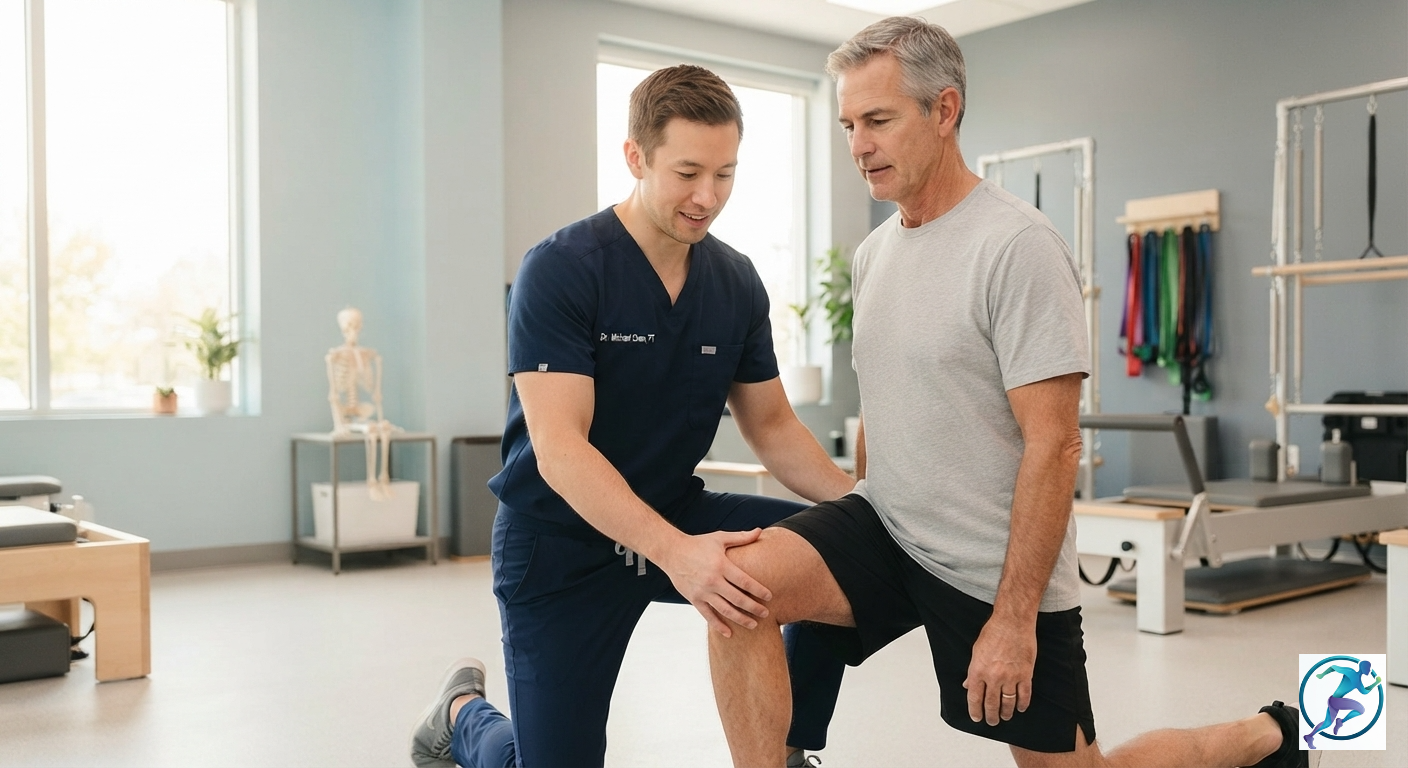
Physiotherapy may involve different treatment approaches depending on a person’s condition, symptoms, functional limitations, and rehabilitation goals. At Back in Motion, treatment plans are developed following clinical assessment and may combine hands-on techniques, therapeutic exercise, movement training, and functional rehabilitation when appropriate.
Treatment may include:
- Manual therapy: Hands-on techniques may be used to address movement restrictions and support mobility.
- Therapeutic exercise: Exercises can be selected to improve strength, flexibility, balance, coordination, and functional movement.
- Movement and functional training: Rehabilitation may focus on improving movements and activities that are important to the patient’s daily life, work, or sport.
- Individualized treatment planning: Treatment is adjusted according to the patient’s condition, progress, and rehabilitation goals.
Clinical Team at Back in Motion
The clinical team at Back in Motion includes physiotherapists with experience in different areas of rehabilitation. Their areas of practice include musculoskeletal care, manual therapy, exercise-based rehabilitation, sports rehabilitation, pediatric rehabilitation, and women’s health rehabilitation.
- Dr. Md. Abdullah Yousuf, D.O. — Provides physiotherapy and rehabilitation care with a focus on musculoskeletal conditions, structural assessment, manual therapy, and osteopathic manipulative treatment (OMT).
- Dr. Tazia Sardar, DPT — Provides physiotherapy and rehabilitation care across areas including orthopedic, sports, pediatric, and women’s health rehabilitation.
Physiotherapy and Rehabilitation Services at Back in Motion
Back in Motion provides a range of physiotherapy and rehabilitation services based on individual assessment, clinical needs, and rehabilitation goals.
1. Orthopedic & Musculoskeletal Rehabilitation in Dhaka
Musculoskeletal rehabilitation may help people manage pain, movement limitations, injuries, and difficulties with everyday activities.
- Conditions treated: Services may include rehabilitation for back and neck problems, joint conditions, sports injuries, and other musculoskeletal conditions.
- Clinical approach: Treatment may include therapeutic exercise, manual therapy, movement training, and other appropriate rehabilitation techniques.
- Rehabilitation goals: Treatment focuses on improving movement, strength, mobility, and functional ability according to the patient’s needs.
2. Osteopathic Manipulative Treatment in Dhaka
Osteopathic Manipulative Treatment (OMT) is a hands-on approach that may be incorporated into rehabilitation when clinically appropriate. At Back in Motion, OMT is provided as part of an individualized treatment approach.
- How it may be used: Techniques may include hands-on mobilization and other manual techniques selected according to the patient’s assessment and treatment needs.
- Conditions: OMT may be considered as part of care for selected musculoskeletal and movement-related problems.
3. Neurological & Stroke Rehabilitation in Dhaka
Neurological and stroke rehabilitation can help people work on movement, balance, coordination, strength, and functional independence following neurological conditions or stroke.
- Clinical approach: Rehabilitation may include task-specific movement training, gait and balance exercises, strengthening, and functional activities based on the patient’s assessment and goals.
- Rehabilitation goals: Treatment focuses on improving mobility, movement control, balance, and independence according to the individual’s condition and stage of recovery.
4. Outpatient Cardiac Rehabilitation in Dhaka
Cardiac rehabilitation is a structured rehabilitation approach that may support people recovering from certain cardiovascular conditions or procedures, when appropriate and medically advised.
- Clinical approach: Rehabilitation may include monitored exercise, gradual physical conditioning, education, and lifestyle-related guidance according to the individual’s needs.
- Rehabilitation goals: The program aims to support physical activity, functional capacity, and a gradual return to appropriate daily activities.
5. Pediatric Rehabilitation in Dhaka
Pediatric rehabilitation supports children who have developmental, neurological, musculoskeletal, or movement-related difficulties.
- Clinical approach: Treatment may include age-appropriate therapeutic exercises, movement activities, balance training, and functional activities designed around the child’s needs.
- Rehabilitation goals: Rehabilitation focuses on supporting movement, physical function, participation, and age-appropriate developmental goals.
6. Geriatric Rehabilitation in Dhaka
Geriatric rehabilitation focuses on maintaining mobility, physical function, balance, and independence as people age.
- Clinical Framework: We focus on low-impact progressive resistance training, vestibular re-education, and fall prevention drills.
- Rehabilitation goals: Treatment may focus on maintaining mobility, improving balance and strength, supporting daily activities, and addressing individual functional limitations.
7. Women’s Health & Pelvic Floor Therapy in Dhaka
Women’s health physiotherapy may address pelvic floor, pregnancy-related, postpartum, and other musculoskeletal concerns affecting women.
- Conditions treated: Depending on the individual’s assessment, services may address pelvic floor dysfunction, diastasis recti, postpartum musculoskeletal problems, and related concerns.
- Clinical approach: Treatment may include pelvic floor exercises, therapeutic exercise, movement training, education, and other appropriate physiotherapy techniques.
- Rehabilitation goals: Treatment is individualized according to symptoms, functional needs, and personal rehabilitation goals.
8. Manual Therapy & Soft Tissue Mobilization in Dhaka
Manual therapy and soft tissue techniques may be used as part of physiotherapy when appropriate for the patient’s condition and treatment goals.
- Techniques used: Depending on the assessment, treatment may include soft tissue mobilization, myofascial techniques, joint mobilization, and other hands-on approaches.
- Rehabilitation goals: These techniques may be combined with therapeutic exercise and movement training to support mobility and functional rehabilitation.
What to Expect When Visiting Back in Motion
Understanding what happens during a physiotherapy visit can help you prepare for your appointment. Your treatment plan may vary depending on your condition, symptoms, assessment findings, and rehabilitation goals.
1. Initial Consultation
During your first visit, the physiotherapist may discuss your symptoms, medical history, daily activities, and rehabilitation goals. A physical assessment may also be performed to understand movement, strength, mobility, and functional limitations.
- Previous medical records: If you have relevant X-rays, scan reports, medical notes, or surgical records, you can bring them to help provide additional information about your history.
2. Individualized Treatment Plan
Following the assessment, your physiotherapist can discuss appropriate treatment options and rehabilitation goals with you.
Treatment may include therapeutic exercise, manual therapy, movement training, education, and other physiotherapy techniques when appropriate.
3. Follow-Up and Progress
Rehabilitation often involves follow-up sessions to monitor progress and adjust exercises or treatment according to your response and changing needs.
Your physiotherapist may also provide exercises or practical guidance to continue appropriate rehabilitation between appointments.
Frequently Asked Questions (FAQ)
Q1: What should I consider when choosing a physiotherapy clinic in Dhaka?
Consider the clinic’s location, practitioner qualifications, assessment process, treatment approach, services, and experience with your particular condition or rehabilitation needs.
Q2: Do I need a doctor’s referral to book a physiotherapy appointment?
A doctor’s referral may not be required for every physiotherapy appointment. However, referral or medical advice may be appropriate depending on your condition. You can contact the clinic to confirm the appointment requirements.
Q3: Where is Back in Motion located?
Back in Motion’s Dhaka clinic is located in Gulshan-1, Dhaka. Contact the clinic directly to confirm the current address, appointment availability, and directions before visiting.
Q4: Are physiotherapy treatment rooms private?
Treatment arrangements may vary depending on the service and clinic setup. Contact Back in Motion if you have specific privacy or treatment-room requirements.
Q5: What conditions can physiotherapy help with?
Physiotherapy may be used as part of rehabilitation for conditions such as back and neck problems, joint and musculoskeletal conditions, sports injuries, neurological conditions, mobility difficulties, and other movement-related problems. The appropriate treatment depends on an individual’s assessment and needs.
Q6: How do I book a physiotherapy appointment?
You can contact Back in Motion directly to ask about available appointment times, the appropriate service for your needs, and the information you should bring to your first visit.