আধুনিক ব্যস্ততার এই যুগে শহুরে জীবনযাত্রার কারণে আমাদের শারীরিক স্বাস্থ্যের ওপর যে মারাত্মক নেতিবাচক প্রভাব পড়ছে, তার মধ্যে অন্যতম হলো লো ব্যাক পেইন বা পিঠ ও কোমরের তীব্র ব্যথা। রাজধানীর গুলশান, বনানী বা মতিঝিলের করপোরেট অফিসগুলোতে দীর্ঘক্ষণ কম্পিউটারের সামনে কুঁজো হয়ে বসে কাজ করা, জ্যামে আটকে থেকে ঘণ্টার পর ঘণ্টা গাড়িতে বসে থাকা এবং অনিয়মিত জীবনযাপনের ফলে তরুণ থেকে শুরু করে প্রবীণ—সব বয়সের মানুষই আজ কোমর ব্যথায় ভুগছেন। সকালে ঘুম থেকে উঠে বিছানা ছাড়ার সময় বা দীর্ঘক্ষণ কাজ করার পর কোমরে যে তিরতিরে বা তীব্র ব্যথা অনুভূত হয়, তা ধীরে ধীরে আপনার স্বাভাবিক জীবনযাত্রাকে পঙ্গু করে তুলতে পারে।
সাধারণ মানুষ যখন এই সমস্যায় পড়েন, তখন তারা প্রায়ই ইন্টারনেটে “low back pain treatment in dhaka” বা গুলশানে ব্যথানাশক চিকিৎসার খোঁজ করেন। কিন্তু সমস্যা হলো, বেশিরভাগ মানুষই সাময়িক উপশমের জন্য ব্যথানাশক ওষুধ (Painkillers) বা গরম সেঁকের ওপর নির্ভর করেন, যা মূল সমস্যা দূর করার পরিবর্তে কিডনি ও গ্যাস্ট্রিকের নানা জটিলতা তৈরি করে। আপনি যদি দীর্ঘমেয়াদী ও পার্শ্বপ্রতিক্রিয়াহীন সমাধান চান, তবে প্রয়োজন একটি বিশ্বস্ত ও আন্তর্জাতিক মানের ফিজিওথেরাপি সেন্টার। ঢাকার গুলশানে অবস্থিত Back in Motion (ব্যাক ইন মোশন) নিয়ে এসেছে আমেরিকার আধুনিক চিকিৎসাপদ্ধতির আদoinে সম্পূর্ণ সার্জারি ছাড়া লো ব্যাক পেইনের বৈজ্ঞানিক ও স্থায়ী সমাধান।
লো ব্যাক পেইন কেন হয়? এর নেপথ্যের মূল কারণগুলো
কোমরের ব্যথা বা লো ব্যাক পেইন কোনো একক রোগ নয়, এটি মূলত জীবনযাত্রার অনিয়ম কিংবা মেরুদণ্ডের ভেতরের কোনো অন্তর্নিহিত সমস্যার বহিঃপ্রকাশ। আমাদের স্পাইন বা মেরুদণ্ড ঘাড় থেকে শুরু করে কোমর পর্যন্ত অত্যন্ত সংবেদনশীল কিছু কটিদেশ (Vertebrae) এবং কুশন বা ডিস্ক (Discs) দিয়ে গঠিত। যখন এই কাঠামোর ওপর অতিরিক্ত চাপ পড়ে, তখন ব্যথার সূত্রপাত হয়।
- প্রলম্বিত করপোরেট ডেস্কে কাজ (Prolonged Sitting): গুলশানের বিভিন্ন বহুজাতিক প্রতিষ্ঠানে দীর্ঘ ৮ থেকে ১০ ঘণ্টা ভুল ভঙ্গিমায় বসে কাজ করার ফলে মেরুদণ্ডের পেশীগুলো শক্ত হয়ে যায় এবং ডিস্কের ওপর অতিরিক্ত চাপ পড়ে।
- পিএলআইডি বা ডিস্ক প্রলাপস (PLID / Herniated Disc): মেরুদণ্ডের দুটি হাড়ের মাঝখানে থাকা কুশন বা ডিস্কটি যখন তার নির্ধারিত স্থান থেকে সরে গিয়ে স্নায়ুতে বা নার্ভে চাপ দেয়, তখন পায়ে টান ধরাসহ তীব্র কোমর ব্যথা অনুভূত হয়।
- দুর্বল কোর মাসল (Weak Core Muscles): পেঠ ও কোমরের মাংসপেশীগুলো দুর্বল হয়ে গেলে মেরুদণ্ড তার প্রাকৃতিক সাপোর্ট হারিয়ে ফেলে, ফলে সামান্য নড়াচড়াতেই ব্যথা শুরু হয়।
- অফিস ও ঘরের ভুল আসনভঙ্গি (Bad Posture): ভারী বস্তু ভুলভাবে তোলা, নরম বিছানায় শোয়া কিংবা কুঁজো হয়ে হাঁটার অভ্যাস দীর্ঘমেয়াদে স্পাইনের মারাত্মক ক্ষতি করে।
ঠিক যেভাবে আধুনিক করপোরেট জীবনধারার কারণে সার্ভিকাল স্পন্ডলোসিস বা ঘাড়ের ব্যথা এবং দীর্ঘক্ষণ বসে থাকার ফলে সায়টিকা নার্ভের সমস্যা দেখা দেয়, ঠিক তেমনি কোমর ব্যথা নিরসনেও অবহেলা না করে সঠিক সময়ে বিশেষজ্ঞ চিকিৎসকের শরণাপন্ন হওয়া জরুরি।
গুলশানে ব্যাক ইন মোশন: কেন এটি ঢাকার অন্যতম সেরা ব্যাক পেইন সেন্টার
গুলশানের প্রাণকেন্দ্রে অবস্থিত Back in Motion কেবল একটি সাধারণ থেরাপি সেন্টার নয়; এটি আন্তর্জাতিক মানের একটি আমেরিকান হেলথ অ্যান্ড ওয়েলনেস সেন্টার। ঢাকার অভিজাত ও সাধারণ উভয় শ্রেণীর রোগীদের জন্য যারা বিশ্বমানের স্বাস্থ্যসেবা নিশ্চিত করতে চান, তাদের জন্য এই প্রতিষ্ঠানটি আস্থার প্রতীক।
আমাদের ক্লিনিকে রোগীদের রোগ নির্ণয় এবং চিকিৎসায় নেতৃত্ব দিচ্ছেন আন্তর্জাতিকভাবে প্রশিক্ষিত ও অভিজ্ঞ চিকিৎসকরা:
- ডা. মো. আব্দুল্লাহ ইউসুফ (Doctor of Osteopathic Medicine, USA): মার্কিন যুক্তরাষ্ট্রের বোর্ড-প্রত্যয়িত চিকিৎসক ডা. ইউসুফ অস্টিওপ্যাথিক ম্যানিপুলেটিভ ট্রিটমেন্ট (OMT) এবং আধুনিক চিকিৎসা বিজ্ঞানের সমন্বয়ে জটিল থেকে জটিলতর স্পাইনাল ও জয়েন্ট সমস্যার শেকড় থেকে সমাধান করেন।
- ডা. তাজিয়া সর্দার (Doctorate in Physical Therapy, USA): আমেরিকার শীর্ষস্থানীয় প্রতিষ্ঠান থেকে ডিটিপি ডিগ্রি অর্জনকারী ডা. সর্দার অর্থোপেডিক রিহ্যাবিলিটেশন এবং অ্যাক্টিভ মুভমেন্ট সায়েন্সের মাধ্যমে রোগীদের স্বাভাবিক গতিশীলতা ফিরিয়ে আনতে কাজ করেন।
আপনি যখন গুলশানের সেরা physiotherapist in dhaka এর সন্ধান করবেন, তখন ব্যাক ইন মোশনের এই ক্লিনিক্যাল নেতৃত্ব এবং সুশৃঙ্খল পরিবেশ আপনাকে শতভাগ আস্থাবে বোধ করাবে।
আমাদের আধুনিক ও কার্যকর লো ব্যাক পেইন চিকিৎসা পদ্ধতি
ব্যাক ইন মোশনে আমরা প্রচলিত প্যালিয়েটিভ কেয়ার বা শুধুমাত্র সাময়িক ব্যথানাশক থেরাপির ওপর নির্ভর করি না। আমাদের লক্ষ্য হলো রোগের মূল কারণ খুঁজে বের করে তা স্থায়ীভাবে দূর করা। নিচে আমাদের প্রধান চিকিৎসাপদ্ধতিগুলো আলোচনা করা হলো:
১. অ্যাডভান্সড ম্যানুয়াল থেরাপি ও জয়েন্ট মোবিলাইজেশন
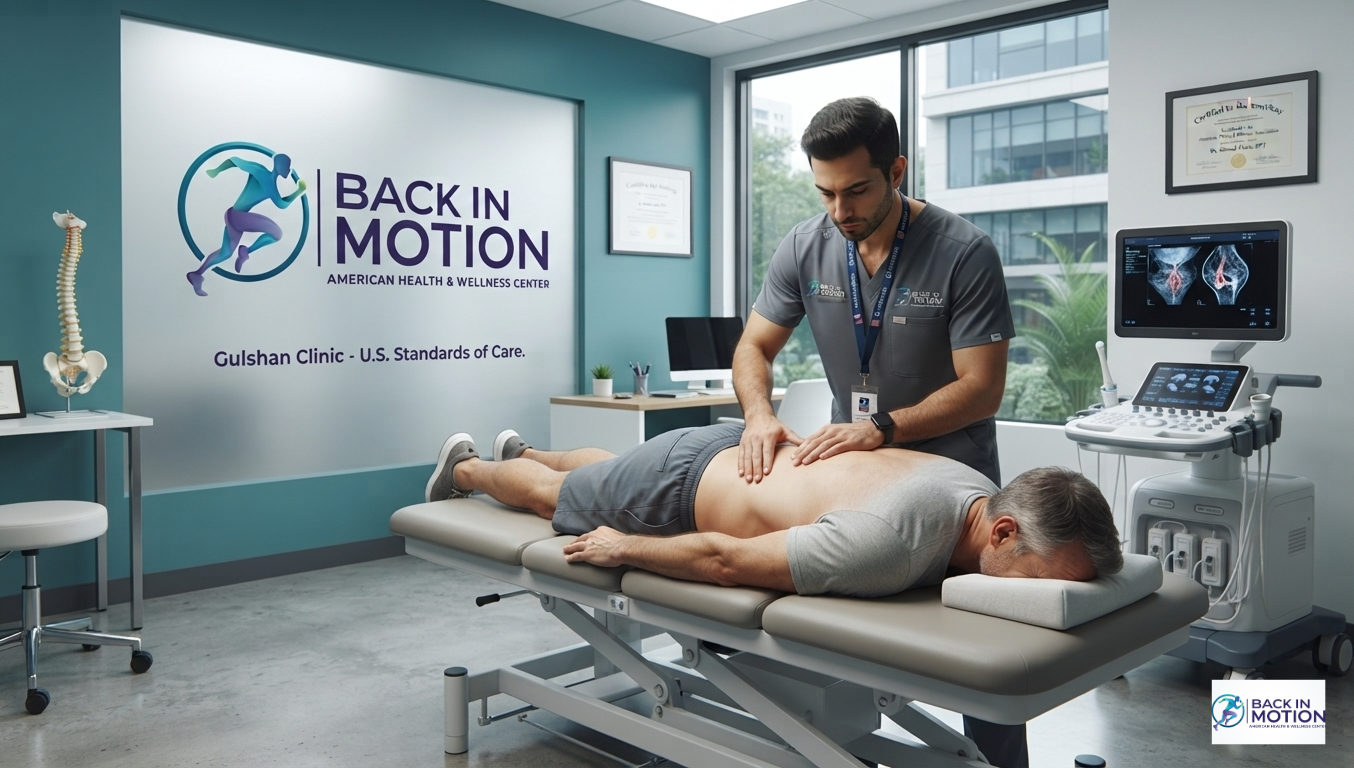
হাতের দক্ষ ছোঁয়া ও বৈজ্ঞানিক মেকানিক্সের মাধ্যমে মেরুদণ্ডের অবরুদ্ধ জোড় বা ফাসেট জয়েন্টগুলোকে স্বাভাবিক অবস্থায় ফিরিয়ে আনা হয়। এটি নার্ভের ওপর থেকে চাপ কমিয়ে তাৎক্ষণিকভাবে ব্যথা দূর করতে সাহায্য করে।
২. অস্টিওপ্যাথিক ম্যানিপুলেটিভ ট্রিটমেন্ট (OMT)
আমেরিকান অস্টিওপ্যাথিক চিকিৎসার এই বিশেষ প্রযুক্তির মাধ্যমে শরীরের মাংসপেশী, লিগামেন্ট এবং স্কেলিটাল সিস্টেমের ভারসাম্য ফিরিয়ে আনা হয়, যা কোমর ব্যথার চিকিৎসায় অত্যন্ত কার্যকরী।
৩. টার্গেটেড কোর ও স্পাইনাল স্টেবিলাইজেশন এক্সারসাইজ
রোগীর শারীরিক সক্ষমতা অনুযায়ী বিশেষ কিছু ব্যায়ামের নিদের্শনা দেওয়া হয়, যা কোমরের ভেতরের গভীর পেশীগুলোকে শক্তিশালী করে এবং ভবিষ্যতে পুনরায় ব্যথা হওয়ার ঝুঁকি পুরোপুরি রোধ করে।
৪. এর্গোনমিক এবং লাইফস্টাইল কাউন্সিলিং
দৈনন্দিন জীবনে বসার সঠিক ভঙ্গি, অফিসের চেয়ার-টেবিলের উচ্চতা এবং ভারী জিনিস তোলার নিরাপদ নিয়মকানুন সম্পর্কে রোগীদের বিশেষভাবে প্রশিক্ষণ দেওয়া হয়।
দীর্ঘদিন ব্যথানাশক ওষুধ খাওয়ার মারাত্মক পার্শ্বপ্রতিক্রিয়া
কোমরে সামান্য ব্যথা অনুভূত হলেই ফার্মেসি থেকে বিভিন্ন ব্যথানাশক বা পেইনকিলার ট্যাবলেট খেয়ে সাময়িক স্বস্তি পাওয়ার প্রবণতা আমাদের সমাজে খুব বেশি দেখা যায়। বিশ্ব স্বাস্থ্য সংস্থা (WHO) এবং আন্তর্জাতিক চিকিৎসকদের মতে, এই ধরনের ওষুধগুলো কেবল ব্যথার অনুভূতিকে সাময়িকভাবে মব করে রাখে, কিন্তু স্পাইনের অভ্যন্তরীণ ক্ষত বা ডিস্কের ক্ষয় রোধ করতে পারে না।
দীর্ঘদিন ধরে অতিরিক্ত পেইনকিলার খাওয়ার ফলে গ্যাস্ট্রিক আলসার, কিডনি ফেইলিওর এবং উচ্চ রক্তচাপের মতো মারাত্মক শারীরিক ঝুঁকি তৈরি হতে পারে। তাই ওষুধনির্ভর জীবন ছেড়ে বৈজ্ঞানিক উপায়ে ম্যানুয়াল থেরাপি ও রিহ্যাবিলিটেশন গ্রহণ করাই বুদ্ধিমানের কাজ।
লো ব্যাক পেইন প্রতিকারে কিছু সাধারণ ঘরোয়া ও জীবনযাত্রার টিপস
ক্লিনিক্যাল চিকিৎসার পাশাপাশি দৈনন্দিন জীবনে কিছু নিয়ম মেনে চললে কোমর ব্যথা থেকে অনেকটাই দূরে থাকা সম্ভব:
- * অফিসে টানা ১ ঘণ্টার বেশি একভাবে বসে না থেকে প্রতি ৩০-৪০ মিনিট পর পর অন্তত ২ মিনিট হেঁটে নিন।
- * বসার সময় চেয়ারের পেছনে পিঠ সোজা করে রাখুন এবং প্রয়োজনে কোমরের পেছনে একটি ছোট ল্যাম্বার কুশন ব্যবহার করুন।
- * মাটি থেকে কোনো ভারী জিনিস তোলার সময় কোমর বাঁকাবেন না, বরং হাঁটু গেড়ে বসে শরীরের শক্তি দিয়ে তুলুন।
- * নিয়মিত হালকা স্ট্রেচিং ও ওয়াকিং করুন।
সচরাচর জিজ্ঞাসিত প্রশ্নাবলী (FAQ)
১. ঢাকার গুলশানে লো ব্যাক পেইনের সেরা চিকিৎসা কেন্দ্র কোনটি?
ঢাকার গুলশানে আন্তর্জাতিক মানের সেবা, আমেরিকান প্রশিক্ষিত চিকিৎসক এবং আধুনিক ম্যানুয়াল থেরাপির জন্য Back in Motion (ব্যাক ইন মোশন) অন্যতম সেরা ও নির্ভরযোগ্য চিকিৎসা কেন্দ্র।
২. পিএলআইডি (PLID) বা ডিস্ক প্রলাপস কি অপারেশন ছাড়া ভালো হয়?
হ্যাঁ, প্রায় ৯০% এর বেশি পিএলআইডি বা ডিস্ক সংক্রান্ত সমস্যা কোনো ধরনের সার্জারি ছাড়াই উন্নত ম্যানুয়াল থেরাপি, ওএমটি (OMT) এবং সঠিক রিহ্যাবিলিটেশনের মাধ্যমে সম্পূর্ণ নিরাময় করা সম্ভব।
৩. প্রথমবার ব্যাক ইন মোশনে গেলে কী ধরনের পরীক্ষা করা হয়?
প্রথম ভিজিটে আমাদের বিশেষজ্ঞ চিকিৎসকরা আপনার বিস্তারিত মেডিকেল হিস্ট্রি, পূর্বের এক্সরে বা এমআরআই রিপোর্ট এবং একটি পূর্ণাঙ্গ ফিজিক্যাল ও বায়োমেকানিকাল অ্যাসেসমেন্ট করে থাকেন।
৪. থেরাপি নিতে কি কোনো ডাক্তারের প্রেসক্রিপশন বা রেফারেন্স লাগে?
না, ব্যাক ইন মোশনে আসার জন্য পূর্বের কোনো প্রেসক্রিপশন বাধ্যতামূলক নয়। আমাদের নিজস্ব বিশেষজ্ঞ চিকিৎসকরা সরাসরি আপনার শারীরিক পরীক্ষা করে ডায়াগনোসিস করে থাকেন।
৫. কোমর ব্যথার থেরাপি নিতে কতগুলো সেশন লাগতে পারে?
ব্যথার তীব্রতা ও রোগীর শারীরিক অবস্থার ওপর ভিত্তি করে সেশন সংখ্যা নির্ভর করে। তবে সাধারণত প্রথম ৩ থেকে ৫টি সেশনের মধ্যেই উল্লেখযোগ্য উন্নতি লক্ষ্য করা যায়।
৬. কোমর ব্যথায় কি গরম সেঁক নাকি ঠান্ডা বরফ দেওয়া উচিত?
যদি ব্যথাটি নতুন বা তীব্র আঘাতজনিত হয়, তবে বরফ সেঁক উপকারী। আর যদি ব্যথাটি পুরনো, দীর্ঘমেয়াদী ও পেশী শক্ত হয়ে যাওয়ার কারণে হয়, তবে হালকা গরম সেঁক বা ফিজিক্যাল থেরাপি বেশি কার্যকরী।
৭. গুলশানে ব্যাক ইন মোশনের লোকেশন কোথায়?
আমাদের সেন্টারটি গুলশান-১ এর Zaara Convention Center (৪র্থ তলা), হাউজ ৭, রোড ১৪, ঢাকা ১২১২ ঠিকানায় অবস্থিত।
৮. সেশন ফি বা খরচ কেমন হতে পারে?
চিকিৎসার ধরন ও জটিলতার ওপর ভিত্তি করে খরচ নির্ধারিত হয়। তবে দীর্ঘমেয়াদী পেইনকিলার ও অপ্রয়োজনীয় সার্জারির খরচের তুলনায় এটি অনেক সাশ্রয়ী ও স্থায়ী সমাধান।
৯. কোমর ব্যথার রোগীরা কি নরম বিছানায় ঘুমাবেন?
না, অতিরিক্ত নরম বিছানা মেরুদণ্ডের স্বাভাবিক কার্ভ বা শেপ নষ্ট করে দেয়। মাঝারি শক্ত বা ফার্ম তোশক ব্যাক পেইনের রোগীদের জন্য সবচেয়ে উপযোগী।
১০. কীভাবে অ্যাপয়েন্টমেন্ট বুক করব?
আপনি সরাসরি আমাদের হটলাইন নম্বরে কল করে অথবা আমাদের অফিশিয়াল ওয়েবসাইটের মাধ্যমে খুব সহজেই আপনার সুবিধাজনক সময়ে অ্যাপয়েন্টমেন্ট বুক করতে পারেন।
আজই কোমর ব্যথা থেকে মুক্তি পান
কোমরের দীর্ঘমেয়াদী ব্যথা আপনার কাজের স্পৃহা ও আনন্দ কেড়ে নিতে দেবেন না। অপচিকিৎসা বা সাময়িক ব্যথানাশকের ওপর নির্ভর না করে আজই যোগাযোগ করুন গুলশানের সর্বাধুনিক রিহ্যাবিলিটেশন সেন্টার ব্যাক ইন মোশনের সাথে।