
Few physical sensations are as debilitating as a sharp, electric shock shooting down your leg. If you have experienced a burning pain radiating from your lower back through your glutes and down into your calf, you likely know the agony of sciatica. For countless professionals and active individuals across Dhaka, this condition turns routine movements—like sitting at a desk, driving through traffic, or bending down—into agonizing ordeals.
Unfortunately, many people suffering from nerve compression undergo years of trial and error. They cycle through passive modalities like heating pads, unmonitored traction machines, or temporary pain-relief medications that only mask the symptoms. True recovery requires targeted, root-cause sciatica pain treatment in dhaka that addresses the underlying biomechanical failure rather than just subduing the pain temporarily.
At Back in Motion in Gulshan-1, our clinical approach focuses on advanced manual therapy and active rehabilitation to help you regain full, pain-free mobility without invasive surgical interventions.
What Exactly is Sciatica and Why Does It Happen?
To treat sciatica effectively, you must understand what is happening inside your spinal architecture. Sciatica is not actually a disease on its own. Instead, it is a symptom of an underlying issue involving the sciatic nerve—the largest nerve in the human body.
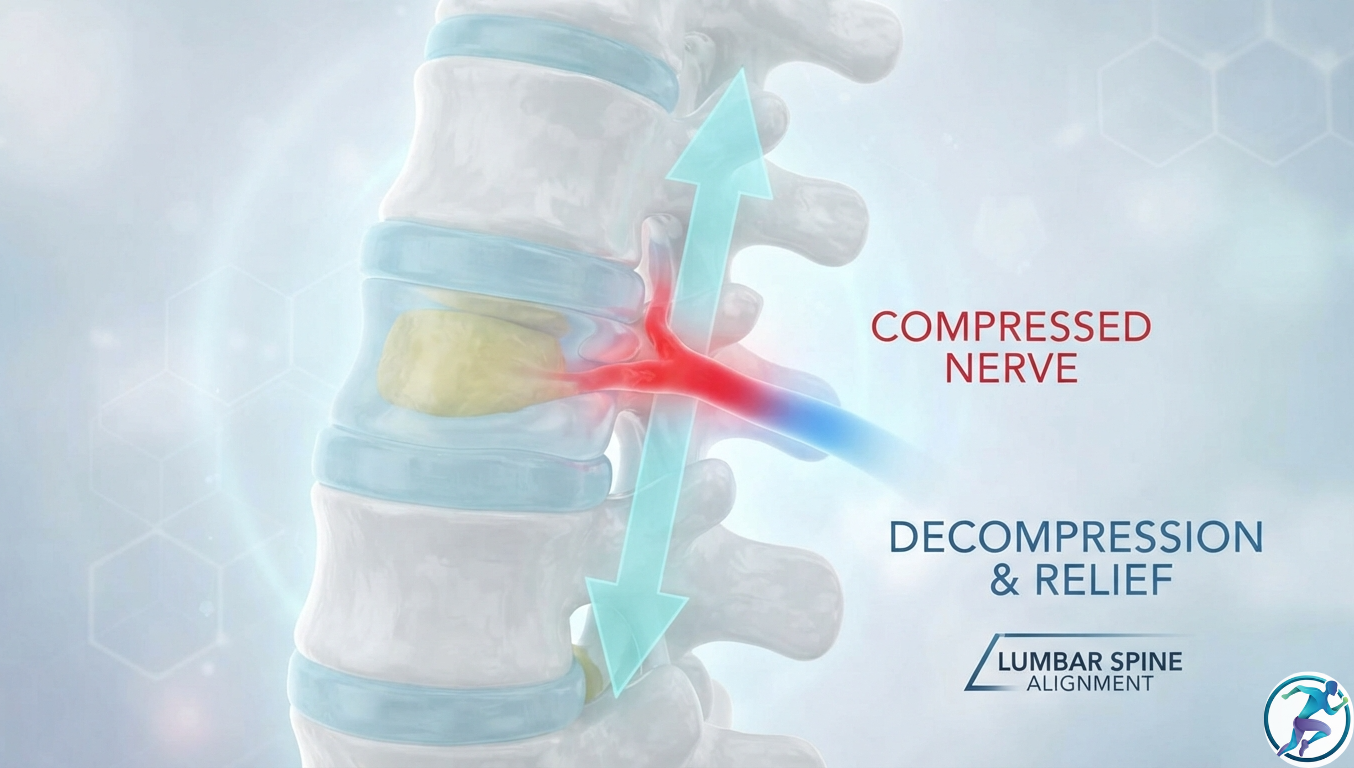
The sciatic nerve originates in your lower back (lumbar spine), runs through your hips and buttocks, and branches down each leg. When something irritates, inflames, or compresses this nerve pathway, pain radiates intensely along its track.
Common structural culprits include:
- Herniated or Bulging Discs: When the soft inner gel of a spinal disc pushes through its outer ring, it can directly press against the nerve root, triggering severe radiating discomfort.
- Spinal Stenosis: The narrowing of the spinal canal, which puts physical pressure on the nerves exiting the lower back.
- Piriformis Syndrome: When a deep gluteal muscle spasms or tightens excessively, it entraps the sciatic nerve as it passes underneath.
- Degenerative Disc Disease: Age-related wear and tear on spinal discs that causes instability and joint friction.
If you are struggling with persistent nerve compression, consulting an experienced nerve pain specialist in dhaka is the critical first step toward an accurate diagnosis.
The Hidden Dangers of Ignoring Sciatic Nerve Pain
Many patients make the mistake of hoping that severe back and leg pain will simply vanish with bed rest. Sadly, prolonged inactivity often worsens the problem. When you stop moving, your core stabilizing muscles weaken, spinal fluid exchange slows down, and stiff joints become even more rigid.
Furthermore, relying entirely on oral pain relievers or muscle relaxants only dampens your nervous system’s warning signals. It does nothing to correct the structural misalignment or disc bulge pressing on your nerve. Over time, chronic untreated nerve compression can lead to permanent motor weakness, foot drop, or chronic sensory loss.
Therefore, seeking professional medical evaluation early prevents minor mechanical irritations from turning into long-term neurological setbacks.
Non-Surgical Sciatica Pain Treatment in Dhaka: What Actually Works?
Surgery should always be an absolute last resort for spinal conditions. Fortunately, more than 90% of sciatica cases resolve completely with specialized conservative care. Modern physical medicine emphasizes movement over immobilization.
At our Gulshan clinic, our protocols abandon passive, assembly-line routines in favor of evidence-based active interventions:
1. Precision Manual Therapy and Spinal Articulation
Hands-on clinical intervention is vital for releasing deep muscle spasms and restoring normal joint mechanics. Through advanced manual therapy, our clinicians gently mobilize restricted lumbar joints, decompress nerve roots, and relieve abnormal tension in the surrounding fascial tissues.
2. Targeted McKenzie Method & Mechanical Diagnosis
We utilize specialized directional preference exercises designed to centralize pain—meaning we move the discomfort from your foot or calf back up toward your lower back, which is a key clinical sign of nerve healing.
3. Progressive Core Stabilization
Your spine needs active muscular armor to protect it from daily stress. We guide you through customized neuromuscular exercises that strengthen your deep abdominal and multifidus muscles, ensuring long-term spinal stability.
Why Choose Back in Motion for Herniated Disc Treatment in Gulshan
Finding the right clinical environment in Dhaka can be challenging. Many local wellness centers lack the international credentials required to manage complex neuro-musculoskeletal pathologies safely.
At Back in Motion, your recovery is guided by international experts who bring elite Western standards to Bangladesh:
- Dr. Md. Abdullah Yousuf (Doctor of Osteopathic Medicine, USA): As a U.S. board-certified physician, Dr. Yousuf evaluates spinal pathology through a comprehensive medical lens, ensuring safe and precise management for complex disc issues and osteopathic manipulative treatments.
- Dr. Tazia Sardar (Doctorate in Physical Therapy, USA): Specializing in advanced orthopedic movement science, Dr. Sardar constructs rigorous, active rehabilitation roadmaps tailored to your exact biomechanical profile.
If you are searching specifically for specialized herniated disc treatment in gulshan, our facility offers fully private treatment suites and uninterrupted, one-on-one medical care.
What to Expect During Your Initial Clinical Evaluation
When you arrive for your first appointment, we never rush into treatment. Your comprehensive 45-to-60-minute initial evaluation includes:
- Detailed Medical History Review: We discuss your daily posture, work habits, past injuries, and pain triggers.
- Neurological Screening: We test your deep tendon reflexes, muscle strength, and sensory responses to locate the exact nerve root involved.
- Movement Assessment: We analyze your spinal flexion, extension, and pelvic symmetry.
- Customized Blueprint: We map out a transparent, milestone-driven recovery schedule so you know exactly what to expect.
Frequently Asked Questions
1. Can sciatica heal completely without surgery?
Yes. The vast majority of sciatica cases—even those involving disc bulges—heal successfully with targeted manual therapy, active rehabilitation, and postural corrections without ever requiring surgery.
2. Should I rest in bed when my sciatica flares up?
Prolonged bed rest is generally discouraged because it weakens supporting muscles and increases stiffness. Gentle, guided movement under professional supervision yields much faster recovery rates.
3. How long does sciatica treatment take at Back in Motion?
Timelines vary depending on the severity of nerve compression. Many patients experience noticeable relief within 3 to 5 sessions, while complete functional restoration typically spans a few weeks of consistent active therapy.
4. Do I need an MRI before booking an appointment?
An MRI can be helpful if you have one, but it is not mandatory for your initial booking. Our clinical team can perform a thorough physical and neurological exam during your first visit and recommend imaging only if clinically necessary.
5. Where is Back in Motion located?
Our clinic is conveniently located at the 4th Floor, Zaara Convention Center, House 7 Rd 14, Dhaka 1212.
6. How can I book an appointment?
You can secure your appointment by calling our direct helpline at +880 1313-717272 or visiting our contact page.