

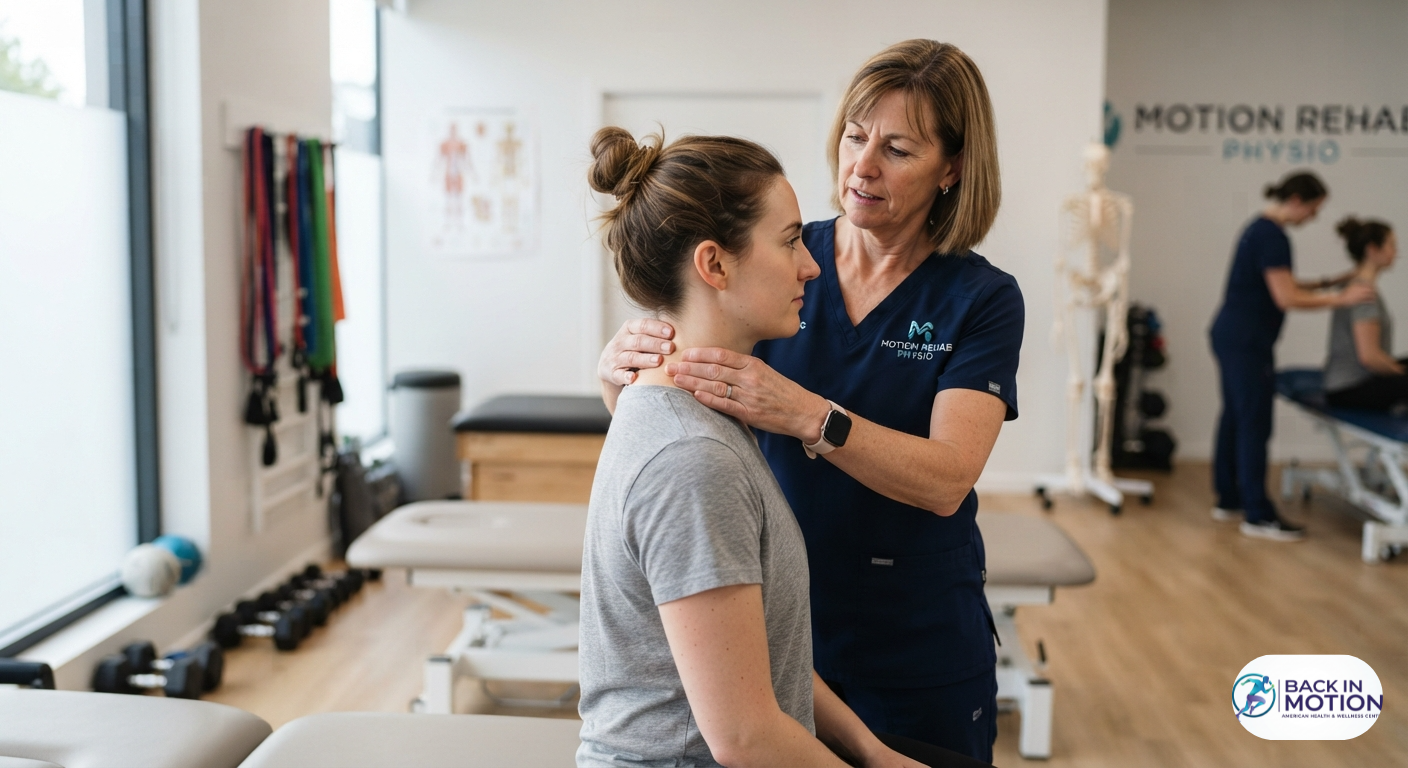
Neck pain affects up to 70% of individuals at some point in their lives, significantly impairing daily movement, workplace productivity, and sleep quality. The cervical spine is a remarkably flexible structure, supporting a human head weighing 10 to 12 pounds while facilitating rotation, flexion, and extension. However, this high mobility makes the neck uniquely susceptible to mechanical strain, joint degradation, and nerve entrapment. Finding an effective, lasting neck pain solution requires addressing the root mechanical dysfunction rather than masking symptoms with temporary remedies.
Understanding Cervical Neck Pain: Anatomy and Biomechanics
The neck, or cervical spine, consists of seven vertebrae (C1 to C7) separated by intervertebral discs designed to absorb shock and facilitate fluid motion. Surrounding these bony structures are dynamic stabilization networks consisting of deep neck flexors, trapezius, levator scapulae, and suboccipital muscles.
[C1-C2 Vertebrae] → Suboccipital Muscles (Controls Micro-Movements & Head Position)
[C3-C5 Vertebrae] → Mid-Cervical Joints & Intervertebral Discs (Primary Flexion/Rotation)
[C6-C7 Vertebrae] → Cervicothoracic Junction (Bears Heavy Load; High Risk of Strain)
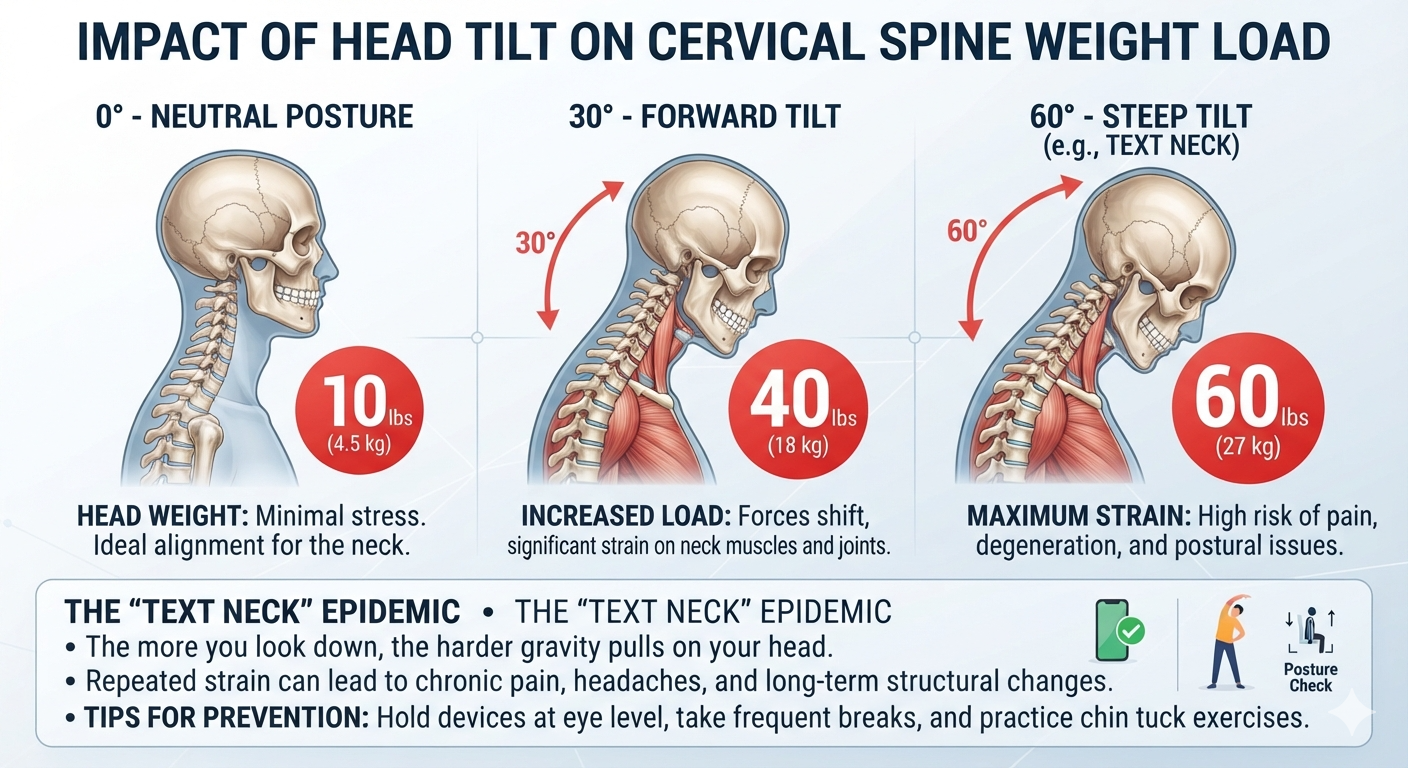
When proper spinal alignment is lost—such as during prolonged slouching or looking down at digital devices—the weight load placed on the cervical spine increases exponentially:
0° (Neutral Alignment)
10–12 lbs of direct cervical load on the spine.
15° Forward Tilt
27 lbs of compounded cervical load.
30° Forward Tilt
40 lbs of heavy structural load.
45° to 60° Tilt
49 to 60 lbs of critical physical load on discs.
This continuous postural strain degrades soft tissue integrity, leads to facet joint inflammation, and accelerates degenerative changes across the cervical vertebrae.
Primary Neck Pain Causes: Why Your Cervical Spine Hurts
Understanding the precise neck pain causes behind your discomfort is the crucial first step toward selecting an effective treatment pathway. Mechanical and structural issues account for over 90% of non-traumatic clinical visits.
1. Poor Posture & “Tech Neck”
Extended hours spent leaning toward computer monitors or tilting the head down stretch posterior ligaments, inducing muscle fatigue and trigger points.
2. Cervical Spondylosis
Aging reduces disc height and shock absorption, causing bone spurs. Explore our desk job neck pain solutions and cervical spondylosis treatment in Dhaka.
3. Acute Muscle Strains
Awkward movements, poor sleep positioning, or mild whiplash micro-tear fibers, resulting in acute waking stiffness and movement restriction.
4. Cervical Radiculopathy
Disc herniation or bone spurs compressing neural passageways, causing sharp shooting pain radiating into the shoulders, arms, or fingers.
Constant Neck Pain: When Mechanical Strain Becomes Chronic
Experiencing constant neck pain that persists beyond 12 weeks indicates that the condition has evolved from an acute tissue injury to a chronic mechanical dysfunction.
The Chronic Neck Pain Strain Cycle
- Postural Overload / Micro-Trauma
- Local Muscle Ischemia & Trigger Points
- Restricted Cervical Joint Range of Motion
- Compensatory Overuse of Surrounding Muscles
- Central Sensitization & Persistent Pain Signals
When deep stabilizing muscles inhibit due to prolonged pain, superficial muscles overcompensate, locking the cervical spine into chronic strain. Breaking this cycle requires professional target rehabilitation.
Red Flag Symptoms: When Neck Pain Requires Immediate Emergency Care
While most instances stem from mechanical causes, certain “red flag” symptoms warrant urgent medical evaluation by a specialist:
- Unexplained Neurological Loss: Sudden weakness in the hands, inability to grip objects, or loss of fine motor coordination.
- Gait and Balance Instability: Difficulty walking or feeling off-balance (indicative of cervical myelopathy).
- Fever and Severe Nuchal Rigidity: Inability to touch chin to chest accompanied by high fever.
- Traumatic Onset: Pain following high-velocity motor vehicle accidents or severe physical impacts.
- Unintentional Weight Loss: Deep, unrelenting pain worsening at night with systemic weight loss.
How to Reduce Neck Pain: Evidence-Based Self-Care Strategies
For non-emergency, mechanical discomfort, learning how to reduce neck pain through self-care principles can help manage symptoms:
Temperature Therapy
Use ice for the first 48 hours to control swelling. Switch to moist heat after 48 hours to relax tight tissue.
Ergonomic Workstations
Align monitor tops at eye level. Keep elbows bent at 90 degrees to unload tension from the upper trapezius.
Micro-Breaks
Take a 60-second posture break every 30 minutes with gentle shoulder rolls and neutral chin tucks.
Supportive Sleep
Avoid stomach sleeping. Use a contoured cervical pillow keeping the neck parallel to the mattress.
Comprehensive Neck Pain Treatment Options
Managing cervical conditions involves a spectrum of therapeutic approaches from home care to clinical intervention.
| Treatment Category | Interventions Included | Primary Objective | Best Suited For |
|---|---|---|---|
| Conservative Self-Care | Heat/Ice, Ergonomic Adjustments, Rest | Temporary pain relief & swelling reduction | Minor acute strain, early postural fatigue |
| Pharmacological | NSAIDs, Muscle Relaxants, Analgesics | Pain symptom management | Acute inflammatory flares |
| Clinical Physiotherapy | Joint Mobilization, Myofascial Release, Exercise Therapy | Structural correction & biomechanical restoration | Acute/chronic mechanical pain, disc herniation, pinched nerves |
| Invasive Interventions | Epidural Steroid Injections, Cervical Surgery | Structural decompression & severe pain blocking | Intractable radiculopathy, progressive myelopathy |
Clinical research documented by the World Health Organization (WHO) Guidelines on Musculoskeletal Health emphasizes conservative management—specifically physical therapy—as the primary line of treatment.
Clinical Physiotherapy Solutions for Lasting Neck Pain Relief
Non-surgical neck pain treatment delivered by a licensed physiotherapist tackles root structural causes:
1. Specialized Manual Therapy
Gentle passive mobilization of restricted joints to reduce pressure, a core part of our cervical spondylosis treatment approach.
2. Myofascial Release
Releasing hypertonic trigger points in the upper trapezius and levator scapulae to restore elasticity and improve local circulation.
3. Cervical Traction & Dynamics
Expanding intervertebral foramina to relieve direct compression on peripheral nerve roots through mechanical or manual traction.
5 Targeted Exercises for Cervical Neck Pain Relief
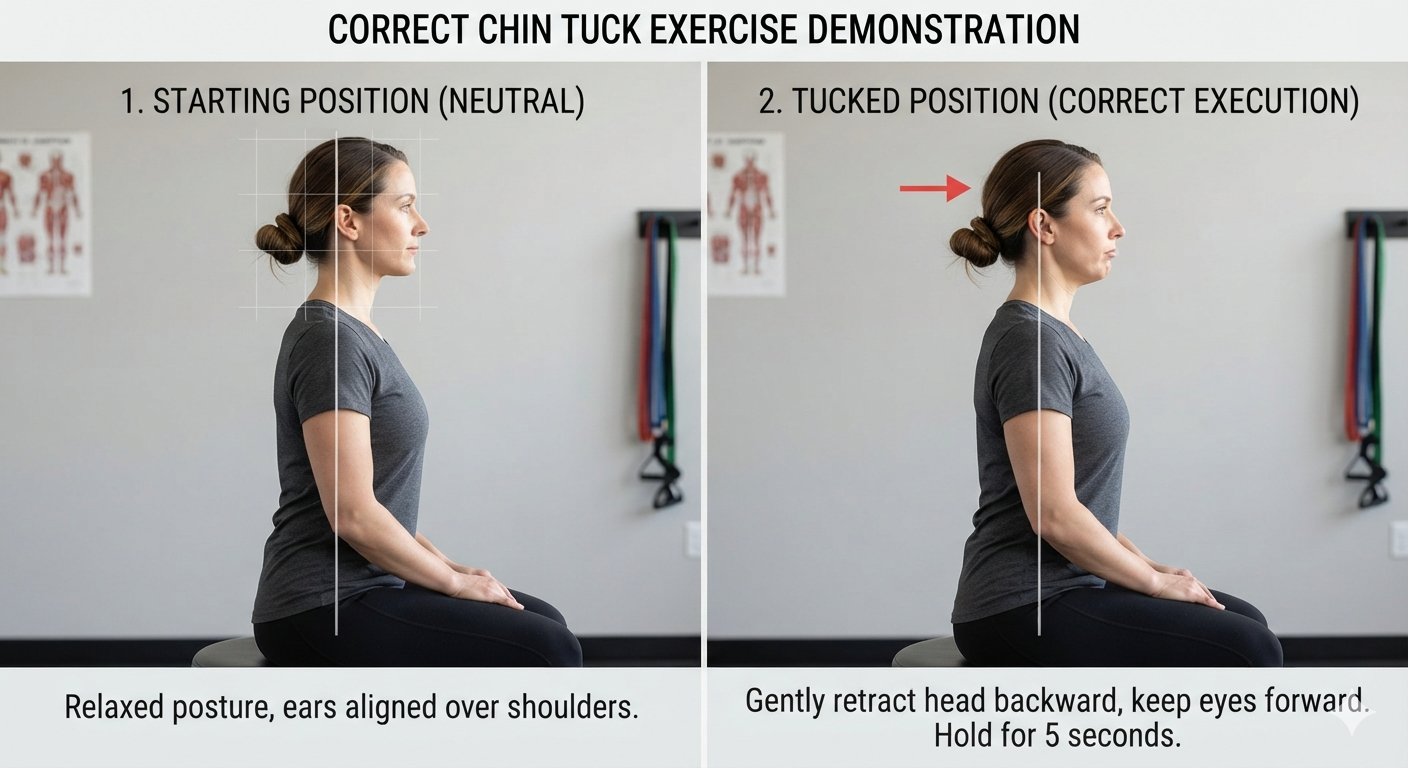
Exercise 1: Neutral Chin Tuck (Deep Neck Flexor Activation)
Target: Longus colli, longus capitis.
Execution: Sit upright, shoulders relaxed. Draw your chin straight back as if making a double chin. Hold for 5 seconds.
Frequency: 10 repetitions, 2–3 times daily.
Exercise 2: Upper Trapezius Stretch
Target: Upper trapezius, lateral fascia.
Execution: Sit on your right hand to anchor your shoulder. Place your left hand over the head and tilt your left ear toward your left shoulder. Hold 20–30 seconds.
Frequency: 3 repetitions per side.
Exercise 3: Levator Scapulae Stretch
Target: Levator scapulae.
Execution: Turn your head 45° left. Look down toward your left armpit using your left hand for light assistance until a stretch is felt. Hold 20–30 seconds.
Frequency: 3 repetitions per side.
Exercise 4: Scapular Retraction
Target: Rhomboids, middle/lower trapezius.
Execution: Draw your shoulder blades back and down together, focusing from the back of your shoulders. Hold for 5 seconds.
Frequency: 10–12 repetitions, 2 sets daily.
Exercise 5: Foam Roller Thoracic Extension
Target: Thoracic spine mobility.
Execution: Lie face up with a foam roller under your mid-back. Support your head, keep hips grounded, and gently arch backward. Hold 3–5 seconds.
Frequency: 8–10 gentle passes.
Workplace Ergonomics: Preventing Re-Injury
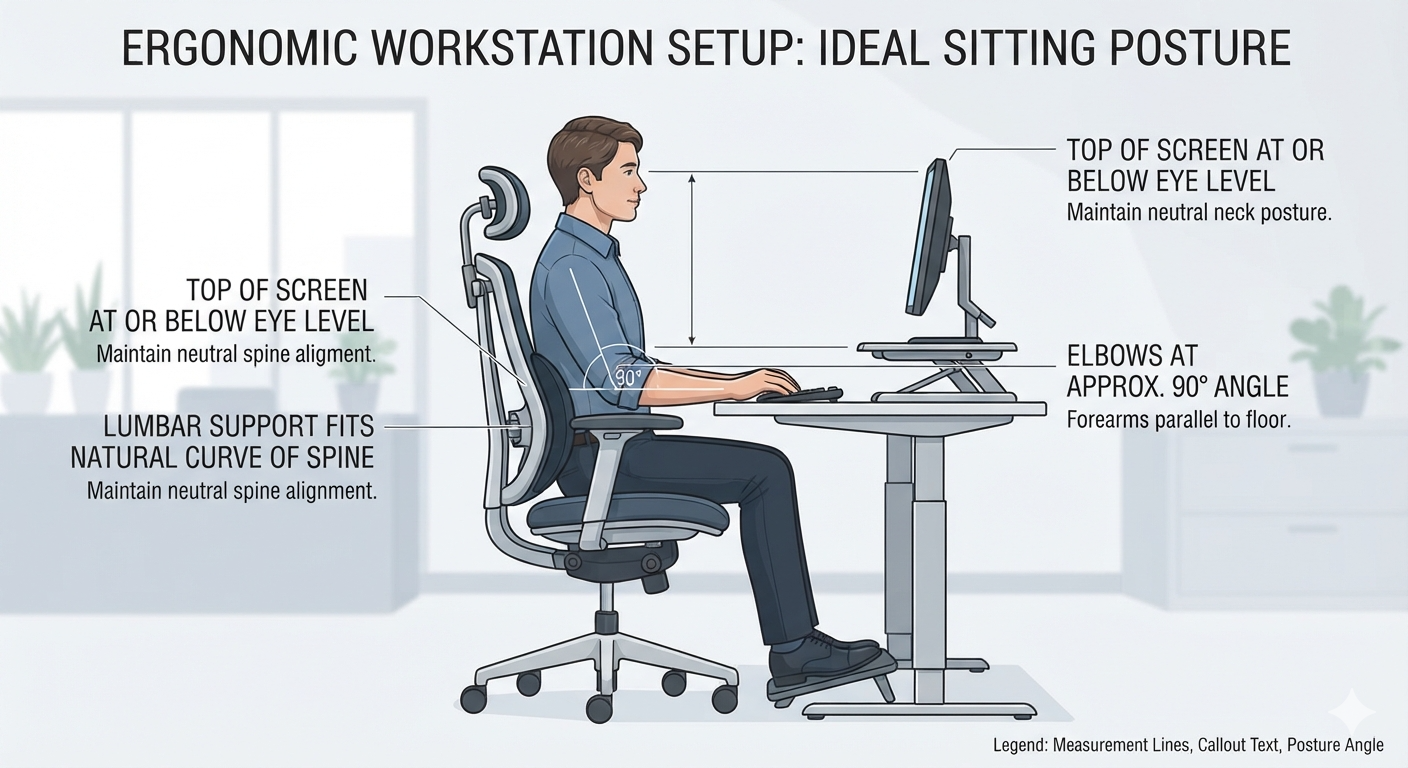
Sustained postural correction requires configuring your workspace environment to support natural alignment:
- Monitor Positioning: The center of your screen should sit directly in front of you, 20 to 30 inches away.
- Seating Support: Use an office chair with adjustable lumbar support to maintain the inward curve of the lower back.
- Document Holders: Keep reading materials elevated adjacent to the monitor to minimize repetitive neck flexion.
Specialized Care at Back in Motion: Dhaka and Khulna Clinics
At Back in Motion, our clinical team provides comprehensive assessment and treatment protocols tailored to your musculoskeletal profile. Our evidence-based plans combine advanced physical therapy, Osteopathic Manipulative Treatment (OMT), and individualized exercise prescription.
Dhaka Branch (Gulshan)
Gulshan, Dhaka, Bangladesh
Comprehensive Musculoskeletal Rehabilitation & Manual Therapy
Frequently Asked Questions (FAQ)
1. How long does acute neck pain take to resolve with physical therapy?
Acute strains typically improve within 1 to 3 weeks. Chronic or nerve compression issues may require 6 to 12 weeks of structured care.
2. Should I use ice or heat to relieve neck pain?
Use ice during the initial 48 hours following acute flare-ups. Switch to moist heat after 48 hours for chronic muscular tightness.
3. Can posture really cause constant neck pain?
Yes. Forward head posture dramatically increases mechanical load. Tilting your head 30 degrees puts 40 pounds of continuous strain on cervical muscles.
4. How can I tell if my neck pain is caused by a pinched nerve?
A pinched nerve presents with sharp shooting pain radiating into the shoulder, arm, or fingers, often accompanied by numbness or tingling.
5. What is the best sleeping position for neck pain relief?
Back or side sleeping is ideal. Ensure your pillow fills the space between your ear and mattress to keep your neck level.
6. Do neck posture correctors work?
Braces offer temporary feedback, but active rehabilitation building strength in deep flexors and retractors yields permanent results.
7. Can stress cause severe muscle pain in the neck and shoulders?
Yes. Stress triggers involuntary muscle guarding in the upper trapezius and suboccipital regions, creating painful trigger points.
8. Is spinal manipulation safe for cervical neck pain?
When performed by a qualified, licensed clinician following thorough screening, joint mobilization is safe and highly effective.
9. When should I get an X-ray or MRI for neck pain?
Imaging is indicated for high-velocity trauma, progressive neurological deficits, or when conservative physical therapy shows no progress after 4-6 weeks.
10. Can cervical neck pain cause tension headaches?
Yes. Irritation in upper cervical structures (C1–C3) frequently refers pain upward over the skull, causing cervicogenic headaches.
Addressing persistent cervical discomfort requires accurate diagnostic evaluation, targeted manual therapy, and a structured rehabilitation routine. To learn more about our specialized spinal care programs, visit Back in Motion at our Gulshan (Dhaka) or Khulna clinics.